
What is domiciliary care? A UK guide to domiciliary care
Domiciliary care, often called home care, allows people to receive support while continuing to live in their own home. Our specialist domiciliary carers provide personalised support, regular routine and peace of mind for the elderly, people with disabilities, and those recovering after illness or hospital discharge.
Speak to our care team today

What is domiciliary care in the UK?
Domiciliary care, also known as home care, is professional care and support provided in a person’s own home. It helps people live safely and independently while receiving the assistance they need with everyday tasks, without having to move into a residential care setting.


In the UK, domiciliary care is a form of social care rather than healthcare. It can be arranged through your local authority following a care needs assessment or organised privately, giving you greater flexibility and choice over the support you receive.
Domiciliary care is a broad term that covers a wide range of services, from a single weekly visit to regular daily visits. Depending on individual needs, support can include personal care, medication assistance, meal preparation, household tasks and companionship. In some cases, people may benefit from more comprehensive support, such as live-in care, where a dedicated carer lives in the home to provide ongoing assistance.
The terms domiciliary care and home care are often used interchangeably. Find out more about Agincare’s home care services and how we can support you or your loved one to remain independent at home.


What do domiciliary care workers do?
Domiciliary care workers provide practical and emotional support to help people continue living independently in the comfort of their own homes. Every person’s needs are different, so the support they receive is tailored to their lifestyle, preferences and level of independence.
A domiciliary care worker can help with everyday personal care, including washing, dressing, grooming and toileting, always delivered with dignity, compassion and respect. They can also provide medication prompting or administration where appropriate, prepare nutritious meals, assist with shopping and help with light household tasks such as laundry, tidying and keeping key living areas clean and safe.
Support can also include helping people move safely around their home or accompany them to appointments, social activities or trips into the local community. Just as importantly, domiciliary care workers provide companionship, helping reduce loneliness, build confidence and support emotional wellbeing. Where appropriate and with consent, they can also keep family members informed and work alongside healthcare professionals to ensure consistent, person-centred care.
Whether someone needs a single 30-minute visit each week, several visits a day or more specialist support for conditions such as dementia, Agincare’s care is always tailored to the individual, providing the right level of support as needs change over time.
Domiciliary care vs home care, live-in care and residential care
There is no difference between the terms domiciliary care and home care – both describe professional care and support delivered in a person’s own home, helping people remain independent while receiving the assistance they need.
Domiciliary care can be arranged to suit a wide range of needs, from an occasional visit each week to several visits each day for people who require ongoing support throughout the day and night, live-in care provides a dedicated carer who lives in the home, while residential care involves moving into a care home where support is available around the clock.
Choosing the right type of care depends on the level of support needed, personal preferences and lifestyle.
| Type of care | Where it’s delivered | Level of support | Best suited for | Typical costs |
| Home Care (Domiciliary Care) | In your own home | Flexible visits from 30 minutes | People who want to remain independent while receiving regular support | Usually charged per visit or by the hour |
| Live-in Care | In your own home | A dedicated live-in carer providing ongoing support | People who need more comprehensive assistance but wish to stay at home | Typically a weekly fee |
| Residential Care | In a care home | 24-hour support from an on-site care team | People whose needs are best met within a residential setting | Usually charged as a weekly care home fee |
Explore our Home Care, Live-in Care and Care Homes services to find the right level of support for you or your loved ones.

Agincare at a Glance
Different types of domiciliary care services available
At Agincare, we provide a wide range of domiciliary care services tailored to each person’s individual needs. Whether you require occasional support or more specialist care, our experienced teams are here to help. If you can’t see the type of support you’re looking for, please get in touch to discuss how we can create a personalised care plan.


Who is domiciliary care suitable for?
Domiciliary care can benefit people of all ages, not just older adults. Whether someone needs occasional support with everyday tasks or more specialist care, services can be tailored to suit their individual circumstances and preferences.
It may be suitable for people living with dementia or Alzheimer’s disease, those recovering after a hospital stay or surgery, individuals managing complex health conditions, or older people who want to remain independent in the comfort of their own home.
You or your loved one may benefit from domiciliary care if:









Benefits of domiciliary care
Domiciliary care allows people to receive professional support while continuing to live in the place they know and love. Care is tailored to the individual, providing one-to-one support that fits around existing routines and promotes independence.
Some of the key benefits include:







How domiciliary care works
Arranging domiciliary care is straightforward, and our team will guide you through every step of the process to ensure you receive the right level of support.
How much does domiciliary care cost in the UK?
The cost of domiciliary care depends on several factors, including the level of support required, the frequency and length of visits, where you live and whether you need specialist care. As a guide, domiciliary care can start from £32.40 per hour, with costs increasing for more complex needs, longer visits or specialist support.
Every care package is tailored to the individual meaning there is no one-size-fits-all price. Domiciliary care can provide personalised support while allowing you to remain independent and continue living in the comfort of your own home.
Some people arrange domiciliary care privately, while others may be eligible for financial assessment. In some circumstances, the NHS may also contribute towards care costs though NHS Continuing Healthcare or NHS-funded Nursing Care, depending on individual circumstances and eligibility.
If you’re unsure what your domiciliary care might cost, our team can provide a personalised quotation and explain the funding options available. You can also use our Care Cost Savings Calculator to explore the potential cost based on your circumstances.
See how much you could save on care.

Why choose Agincare for domiciliary care?
Our home care service is trusted by thousands of families, local authorities nationwide and the NHS to deliver reliable, high-quality care in people’s homes. Our bespoke, fully-managed service is regulated by the CQC.

One of the largest independent care providers in England

Rated Excellent on Trustpilot

Person centred care plan and risk assessment provided

24/7 updates on your package of care via our app

Fully trained domiciliary care workers directly employed by us

Ongoing support from a local Care Coordinator

Tailored support for varying levels of need, including palliative care

Local presence means you can talk to a real person in branch

No lengthy contracts or exit fees
CQC regulated
The CQC monitors and inspects all of our care services to ensure they meet the fundamental standards of quality and safety.
Our domiciliary care includes a personalised service within the standard cost of care. This means your care worker can support you with a range of everyday needs, including personal care, household tasks and maintaining your independence at home.
Reviews of our domiciliary care services


Domiciliary care FAQs
Domiciliary care, also known as home care, is professional care and support provided in a person’s own home. It helps people remain independent while receiving assistance with everyday tasks such as personal care, medication support, meal preparation, household tasks and companionship.
Domiciliary care is delivered in your own home, allowing you to maintain your usual routines and independence while receiving support. Residential care involves moving into a care home where accommodation, care and support are provided on-site. The right option depends on your individual needs, preferences and level of support required.
The cost of domiciliary care varies depending on the level of support required, the length and frequency of visits, your location and any specialist care needs. Some people fund their care privately, while others may be eligible for financial support through their local authority. Contact our team for a personalised quotation based on your circumstances.
Domiciliary care can be funded in different ways. Some people pay for their care privately, while others may qualify for local authority funding following a care needs and financial assessment. In certain circumstances, the NHS may contribute towards care costs through schemes such as NHS Continuing Healthcare, depending on an individual’s health needs and eligibility.
Yes. Domiciliary care services in England are regulated by the Care Quality Commission (CQC). The CQC monitors and inspects care providers to ensure they meet standards relating to safety, effectiveness, responsiveness, leadership and quality of care.
Domiciliary care can support people of all ages who need assistance to remain independent at home. This may include older people, individuals living with dementia, people recovering from illness or surgery, those with physical disabilities, or anyone who would benefit from extra support with daily activities.
Yes. Domiciliary care can be arranged on a short-term basis for a variety of reasons, including recovery following a hospital stay, illness, injury or surgery. Short-term support can help people regain confidence and independence while reducing pressure on family members and unpaid carers.
The timescale can vary depending on your location, the level of support required and the urgency of your circumstances. In many cases, care can begin shortly after an assessment has been completed. Our team will always work with you to arrange support as quickly as possible and provide guidance throughout the process.
Yes. Care plans are reviewed regularly and can be adjusted whenever your needs change. Whether you require additional visits, specialist support or a reduction in care, we’ll work with you and your family to ensure your care continues to meet your requirements.
We will always aim to arrange visits at times that fit around your routine and preferences. During your assessment, we’ll discuss the support you need and agree suitable visit times wherever possible, helping you maintain independence and control over your day-to-day life.

You may also be interested in…
Home care is on hand to help older friends and relatives
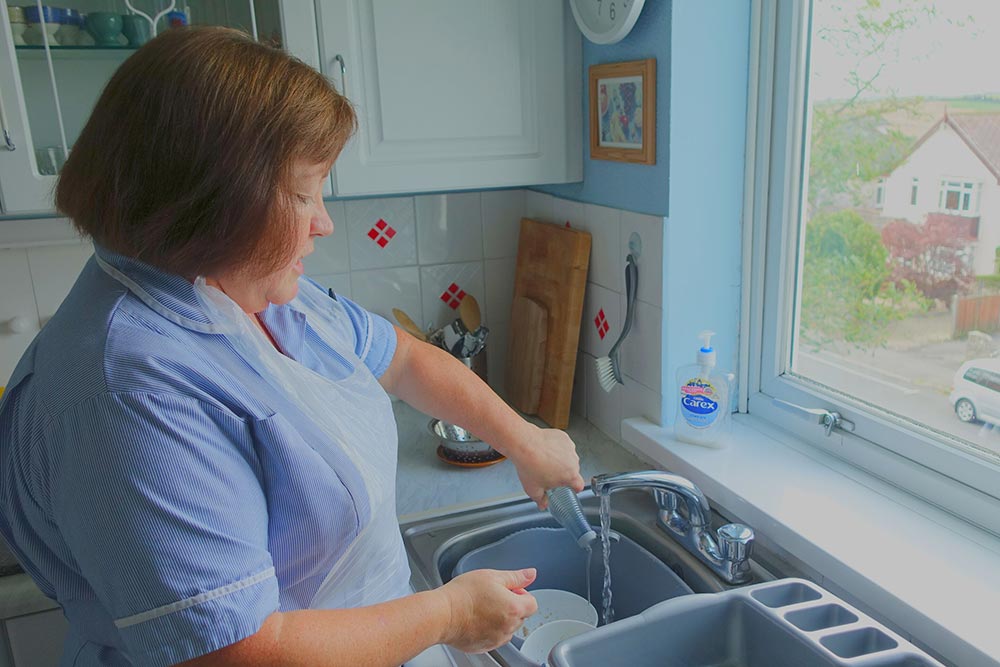
We don’t always get to visit older relatives or friends as often as we’d like and when we do it can be striking how much support they may need.
Case Study: Bringing expert home care to rural Somerset
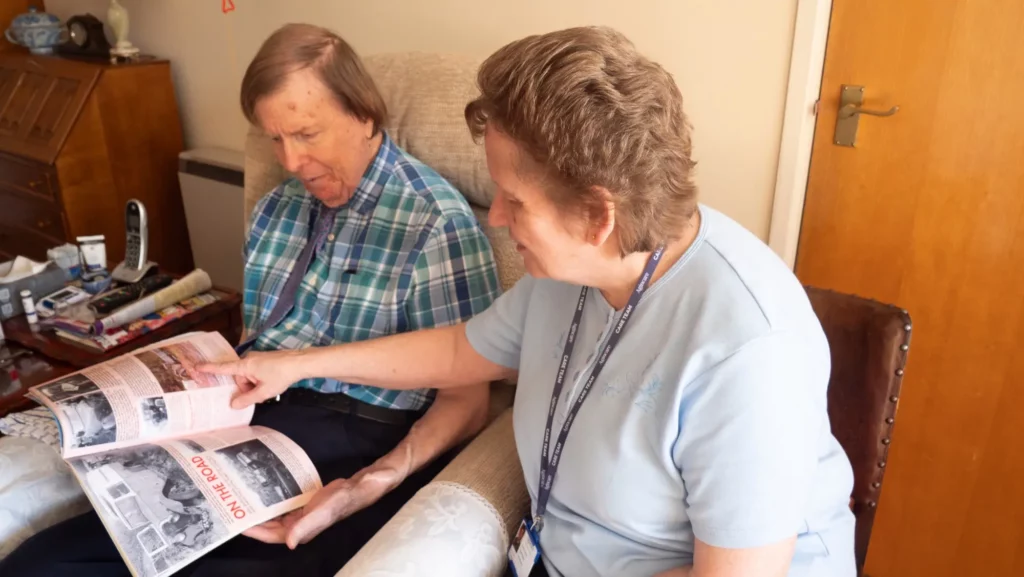
Read about our Somerset Rapid Response initiative; a specialised service, designed in partnership with Somerset Council to bridge the gap for families in rural communities.
How home care supports Rett Syndrome: Natalia and Danielle’s story

Natalia has been supporting Danielle at home for two years, and forged a bond of trust. Find out how home care supports Rett Syndrome.
Page reviewed by Demienne Stamford-Plows, Senior Care Advisor, on August 11, 2026.