
24 hour care at home
24-hour care at home provides continuous support day and night from trained care workers, giving a reassuring alternative to a care home. All care is delivered and regulated by the Care Quality Commission, helping you or your loved one stay safe and comfortable in the familiarity of home.
Call our UK-based expert care advisors for instant advice and support.

What is 24-hour care at home?
24-hour care at home is continuous support provided in the home, with trained care workers available both day and night. Care is delivered by a small, consistent team working in shifts to ensure someone is always there to provide help, reassurance, and supervision when needed.
A typical care plan can include personal care such as washing and dressing, support with mobility, help with medication, meal preparation, light household tasks, and ongoing companionship. Just as importantly, it provides reassurance for both individuals and their families, knowing support is always close by.
This level of care is designed for people who need regular or complex support and cannot safely be left alone for long periods. It serves as an alternative to a care or nursing home and is often suitable for those living with dementia, frailty, or a high risk of falls, as well as people managing long-term or complex health conditions. It can also support recovery following a hospital stay or provide comfort and dignity for those receiving palliative care.
24-hour care at home enables people to remain in familiar surroundings while receiving the consistent, responsive support they need to live safely and comfortably at home.

How does 24-hour care at home work?
24-hour care at home begins with a detailed assessment to understand the individual’s needs, routines, preferences, and level of support required. A personalised care plan is then created, ensuring support is tailored and centred around the person.
A small team of trained carers is carefully matched based on experience, skills, and compatibility. This helps build trust and consistency in care. Typically, two or more carers work in rotating shifts across the day and night, ensuring continuous support is always available.
During the day, carers assist with personal care, mobility, medication, meals, and companionship. At night, support may include reassurance, help with toileting, repositioning, or responding to any immediate needs.
Where more active overnight support is required, a waking night arrangement or a two-carer setup may be recommended. This ensures someone is always awake and available to provide assistance throughout the night, particularly for those with higher or more complex needs.
Care is regularly reviewed and updated as needs change, ensuring the support remains safe, appropriate, and effective over time.


What’s the difference between 24-hour care and live-in care?
The terms are often used interchangeably, but there are important differences in how each type of support is delivered. Both aim to provide consistent care at home, but the structure and level of overnight support can vary.
Live-in care typically involves one trained carer living in the home and providing support during the day, with limited assistance overnight. This works well for people who need regular help but do not usually require active night-time care.
24-hour care usually provides continuous cover through a small team of carers working in shifts. This ensures someone is always awake, available, and able to respond at any time, day or night. As a result, 24-hour care is often better suited to people with more complex needs, frequent night-time requirements, or those who cannot safely be left alone.
24-hour care | Live-in care | |
| Carers & Living Arrangements | 2+ care workers in shifts | 1 care worker living in your home |
| Day & Night Support | Continuous overnight care | Regular day support, limited night help |
| Breaks | Shift-based cover ensures continuity of care | Daily rest periods required |
| Suitability | Complex or high support needs, including nights | Low to moderate needs |

What is included in 24-hour care at home?








Who is 24-hour care suitable for?
24-hour care is suitable for individuals who cannot safely be left alone and need continuous support throughout the day and night. This may include people with a high risk of falls, significant mobility challenges, or those who require frequent assistance during the night.
It is also appropriate for those managing complex medication routines, recovering after a hospital stay or accident, or living with progressive conditions or disabilities. Families may also choose this level of care to support loved ones with dementia or other long-term health conditions where needs can change quickly.
24-hour care is often essential in palliative or end-of-life situations, providing comfort, dignity, and reassurance at home.
This type of care offers continuous supervision and one-to-one support, helping people remain safe and comfortable in familiar surroundings. It also provides families with peace of mind and the option for regular carer breaks or respite support. As a result, it is commonly used as an alternative to a care home or nursing home, allowing people to remain in the comfort of their own home regardless of their level of need.

Benefits of 24-hour home care vs a care home
24-hour home care offers a reassuring alternative to residential settings, helping individuals avoid the disruption of moving into a care home while supporting emotional wellbeing, independence, and comfort in familiar surroundings.


How much does 24-hour care at home cost?
The cost of 24-hour care at home varies depending on the level of support required, where you live, the number of carers involved, and whether night-time assistance is needed. More complex arrangements, such as waking night care or continuous support from multiple carers, will typically increase overall costs.
As a general guide, live-in care usually starts from around £1,200 to £1,800 per week. Full 24-hour care provided by a rotating team of carers is often higher, typically ranging from approximately £1,800 to £2,500+ per week, depending on individual needs and the intensity of support required.
Because every situation is different, costs are tailored following a full care assessment to ensure the right level of support is in place.
In some cases, financial support may be available through NHS or local authority funding, depending on eligibility. More information can be found on our funding page.
Ultimately, the cost reflects the level of continuous, personalised care provided, ensuring safety, reassurance, and high-quality support in the comfort and familiarity of home.

How to arrange 24-hour care
Finding care can feel overwhelming, but we have made it simple. With these easy steps, Agincare can provide high-quality support to you or your loved ones – often in as little as 24 hours.
Why choose Agincare for 24-hour care?
Since 1986 we’ve remained a family-owned care provider, trusted by thousands of individuals to deliver reliable, high-quality specialist care every day. Our fully-managed service covers a range of care options, from residential care to tailored support at home.









Reviews of our 24-hour care services


FAQs about 24-hour care
24-hour care at home provides continuous support from trained care workers, ensuring someone is always available day and night. Care is delivered in the home to support safety, independence, and comfort.
It is usually needed by people who cannot be safely left alone, including those with high fall risk, mobility challenges, complex health conditions, dementia, or those requiring frequent night-time support.
Live-in care usually involves one carer living in the home and providing daytime support with limited night help. 24-hour care is typically delivered by a team working in shifts, ensuring continuous, active cover.
More than one carer is needed when support must be continuous, when night-time assistance is frequent, or when moving and handling requirements cannot be safely managed by one person alone.
Carers are available to provide reassurance, medication support, repositioning, toileting assistance, or equipment monitoring depending on needs. In waking night arrangements, a carer remains fully alert throughout the night.
Yes, it can be a reassuring alternative, allowing people to remain in familiar surroundings while receiving continuous, one-to-one support tailored to their needs.
Yes, it is often ideal for dementia care, providing consistency, routine, supervision, and reassurance to reduce confusion and support wellbeing.
Yes, it can support recovery by assisting with mobility, medication, personal care, and rehabilitation needs until independence improves.
Yes, it can be arranged for short-term needs such as recovery, respite for family carers, or transitional support after illness or discharge from hospital.
Costs vary depending on needs, location, and level of support required. Live-in care typically starts from around £1,200 per week, while full 24-hour care is usually higher due to shift-based staffing and more intensive support.
In many cases, care can be arranged quickly following an assessment, sometimes within a matter of days depending on urgency and availability of carers.
You may also be interested in…
Overnight Care

Discover our overnight care options delivered by expert care teams local to you. We offer a range of services including waking and sleeping nights care.
Respite live-in care
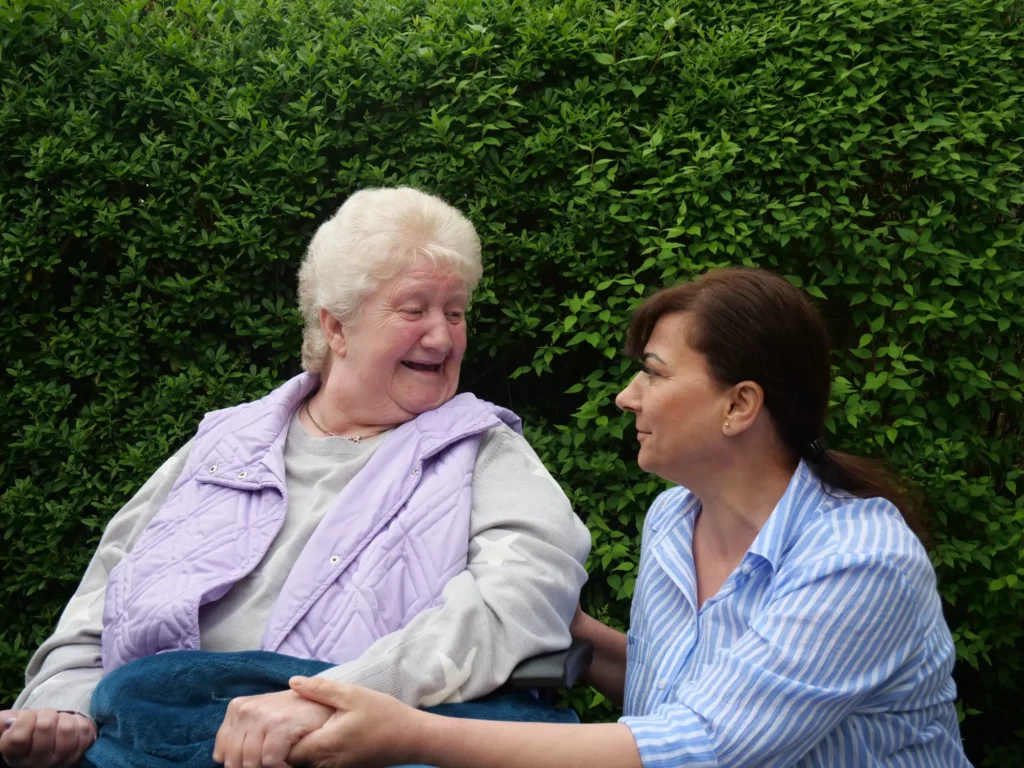
Respite care gives family carers a break with short-term support at home or in a care home. Discover what's included, the types, costs, funding and CQC-regulated respite from Agincare.
Dementia Care

We provide specialist and tailored care for people with dementia. Our experienced dementia carers help individuals continue to live happy and independent lives.
Palliative Care: Supporting You at Home or in a Care Home | Agincare
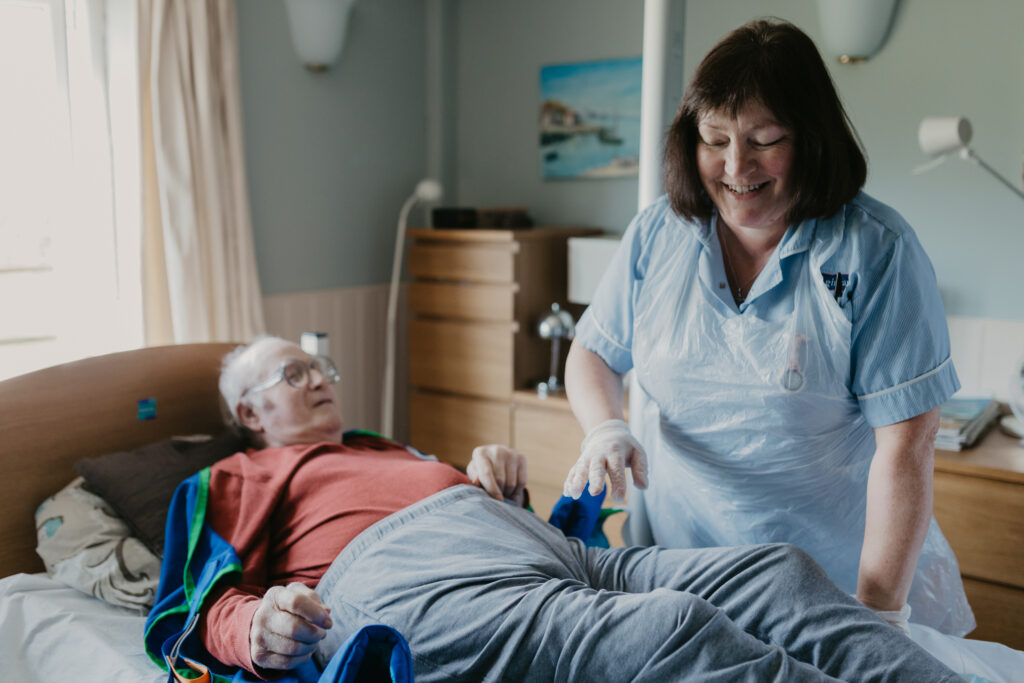
If you have a life-limiting or terminal illness, Agincare's palliative care at home provides specialist pain management and emotional support, tailored to you.
Care Cost Savings Calculator

Calculate your live-in care costs using our free and easy to use care calculator. Receive a tailored quote based on your needs and preferences.
Home Care

Trusted and compassionate home care services that give you reliable support and care at home. Explore the types of home care available with Agincare.
Live-in Care

Award-winning 24-hour live-in care services rated 'Good' by the CQC. Give loved ones the specialised private care they need within the comfort of their home.