
For individuals living with acquired brain injuries, finding care that promotes independence rather than simply meeting day-to-day needs can be a significant challenge. When residential care is unable to support personal goals, choice and community participation, individuals can become isolated and lose opportunites to live fulfilling, independent lives.
This case study demonstrates how Agincare worked in partnership with S.S., her family and the local authority to deliver a personalised live-in care solution that enabled her to return to her own home after more than 15 months in residential care. Through tailored support, continuity of care and a multidisciplinary approach, S.S. regained independence, reconnected with her community and achieved significantly improved outcomes while also delivering better value than her previous care arrangement.
Background
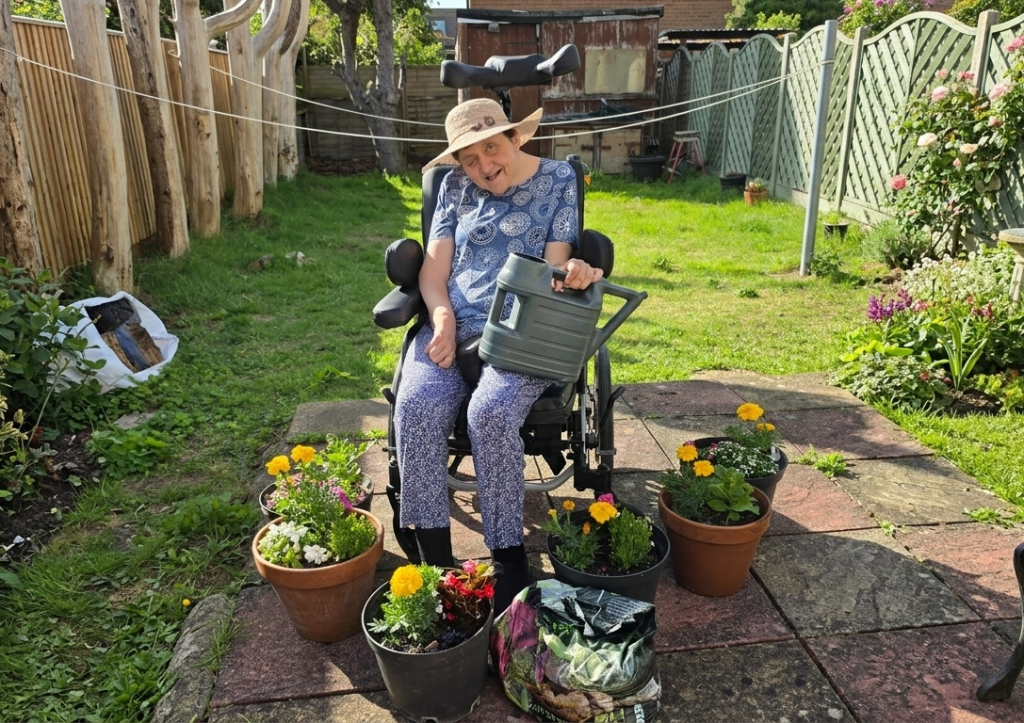
S.S. sustained an acquired brain injury at the age of 15 following a horse-riding accident. Despite living with long-term effects of her injury, she had maintained important connections to her home, community and interests throughout her life.
Following the death of her parents, S.S spent over 15 months living in care homes designed primarily for older adults. While her care needs were being met, the environment was not suited to her age, interests or aspirations. As a result, she became increasingly isolated and disengaged, with limited opportunities to participate in meaningful activities or make choices about her daily life.
Despite owning her own home and car, S.S. experienced little independence. Her days were structured around the routines of the care home, with early bedtime, limited social opportunities and minimal access to activities that reflected her interests and personality.
Recognising that this arrangement was not enabling S.S to live the life she wanted, her siblings, including a senior social worker, spent two years advocating with the local authority to secure live-in care that would allow her to return home.
Why a different approach was needed
It became clear that residential care was not meeting S.S’s emotional, social or rehabilitative needs. While her basic care requirements were being supported, she lacked independence, choice and opportunities for personal development that were fundamental to wellbeing and quality of life.
A live-in care model was identified as the most appropriate solution because it would enable S.S. to remain in her own home while receiving personalised support tailored to her individual needs, preferences and goals. The aim was not simply to provide care, but community activities she enjoyed.
Our response
Agincare conducted a detailed assessment to demonstrate how live-in care could deliver improved outcomes for S.S. while also providing better value for money compared to her existing residential placement.
Working closely with S.S. and her family, we developed a person-centred support plan that reflected her preferences, routines and aspirations. This included supporting her choice to stay up later, deciding how she spent her time and regain control over her daily life.
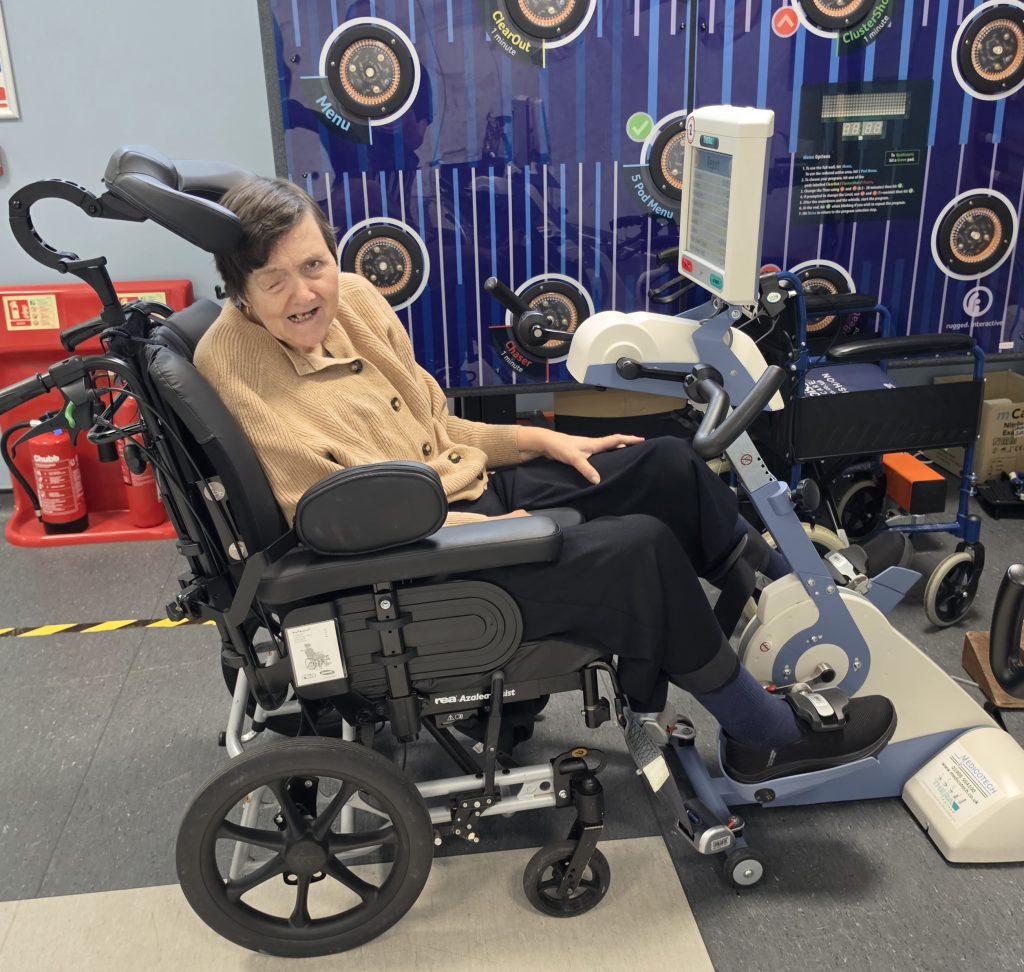
Recognising the importance of a holistic approach we coordinated support from multiple professionals, including occupational therapy, private physiotherapy services and ongoing assessments. These services had largely been absent during her time in residential care and were essential in supporting her independence and wellbeing.
To provide consistency and build trust, a single, well-trained live-in care worker was carefully matched to S.S. This continuity of care enabled a strong relationship to develop and ensure that support remained personalised and responsive. Additional support was provided through Agincare’s home care service in Bristol when double-up care was required.
Outcomes and impact
Returning home transformed S.S’s quality of life, with the right support in place, she regained control over her daily routines and was able to make meaningful choices about how she spent her time.
She reconnected with many of the activities she enjoyed, including painting, crafts and music, while also increasing her participation in the local community. Regular day centre attendance, shopping trips, cafe visits and social outcomes became part of her routine once again.
The consistency of her care arrangement helped to build confidence, increase independence and improve her overall wellbeing. Most importantly, S.S. was able to live life on her own terms, in an environment that reflected her preferences, interests and personal goals.
System benefits
The live-in care arrangement demonstrated how personalised, home-based support can deliver significantly better outcomes while also presenting good value for money.
By enabling S.S. to return home, it reduced reliance on external transport services and ad-hoc agency support while promoting greater independence and self-determination. The continuity provided by a dedicated live-in care worker created a sustainable and effective long-term solution, built around personal choice, partnership with family and positive outcomes.
Speak to our live-in care experts
Looking for a care solution that supports independence, choice and quality of life?
Whether you or a loved one is living with an acquired brain injury, complex care need or requires an alternative to residential care, our experienced care advisors are here to help. We take the time to understand each person’s individual needs, preferences and aspirations, creating a personalised live-in care plan that enables them to remain safe, comfortable and independent in their own home.
Speak to one of our friendly care advisors today to discuss your circumstances. Together, we can explore how live-in care could provide the personalised support needed to achieve better outcomes and help you or your loved one live life on your own terms.