
Introducing the Ayla programme
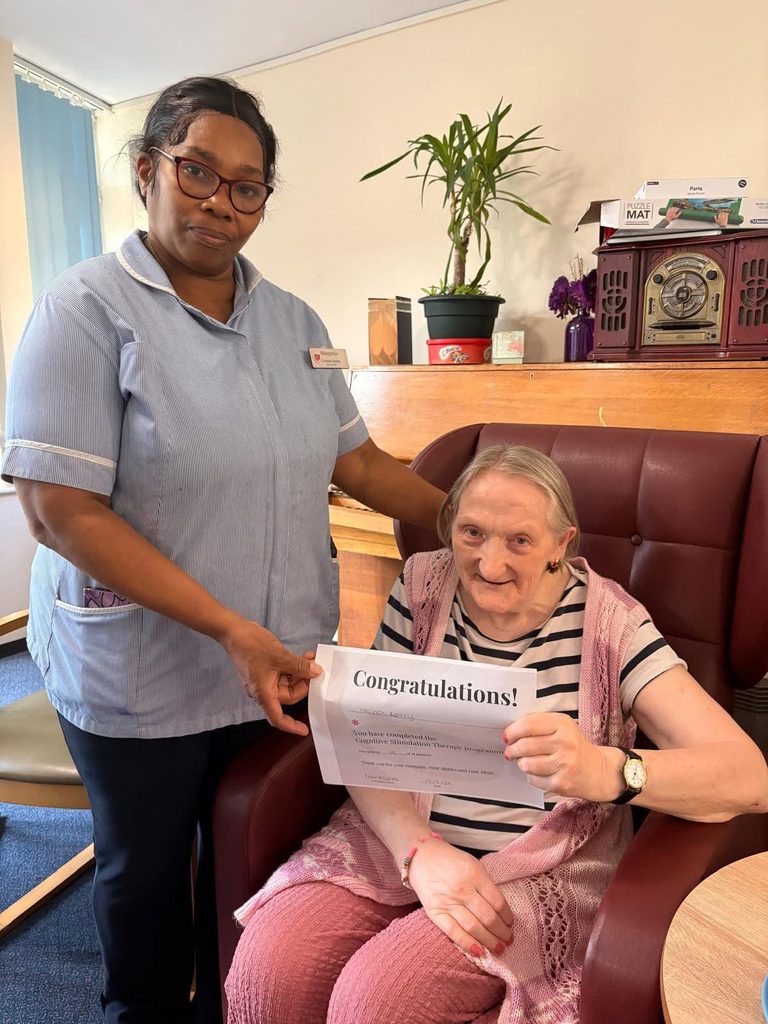
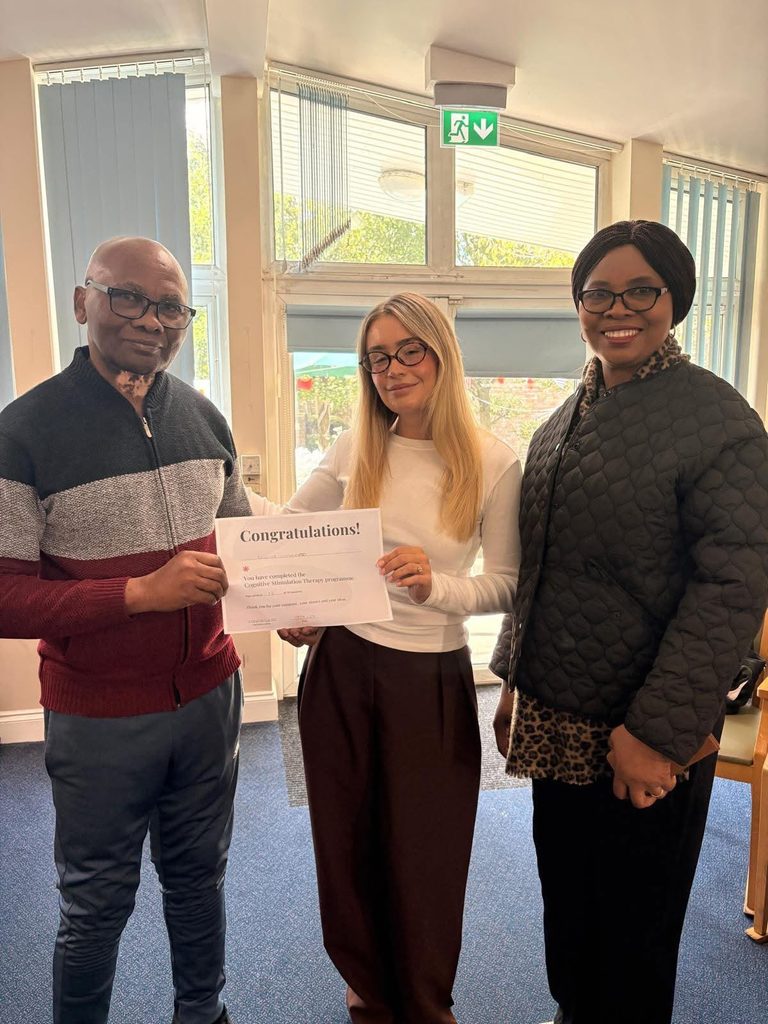
Residents at Agincare’s Bluegrove House care home in Southwark have reported improvements in their wellbeing, memory and social engagement following the introduction of an innovative digital Cognitive Stimulation Therapy (CST) programme.
Working in partnership with Ayla, a digital platform designed to make Cognitive Stimulation Therapy more accessible, the care team at Bluegrove House introduced a structured programme of activities to support residents’ cognitive wellbeing and encourage meaningful social interaction.
The results have been encouraging, with all six participating residents reporting a noticeable difference in how they felt and improvements recorded across key measures of quality of life and cognition.
Bringing innovative care to Bluegrove House
As part of Agincare’s commitment to delivering high-quality, person-centred care, Bluegrove House introduced Ayla in June 2026 to provide residents with new opportunities to stay mentally active, build confidence and enjoy shared experiences.
Cognitive Stimulation Therapy uses a range of engaging activities and discussions designed to encourage thinking, communication and social interaction.
Through Ayla’s digital platform, team members were able to deliver structured sessions covering a variety of topics, from music and singing to animals, bingo and everyday conversations.
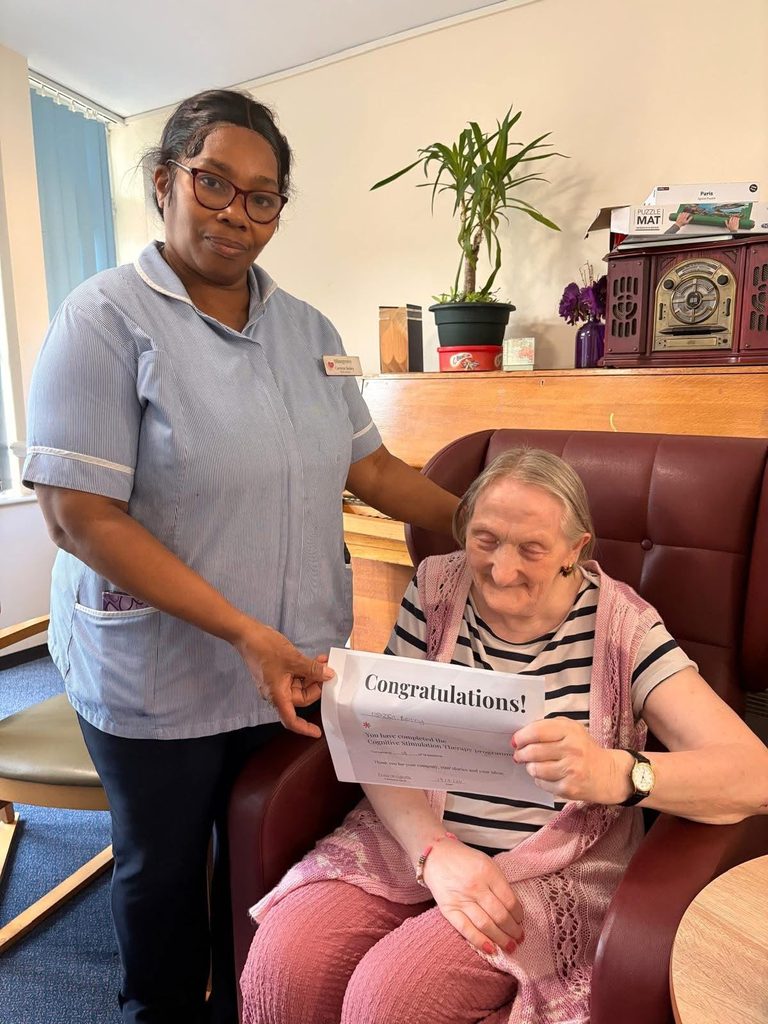
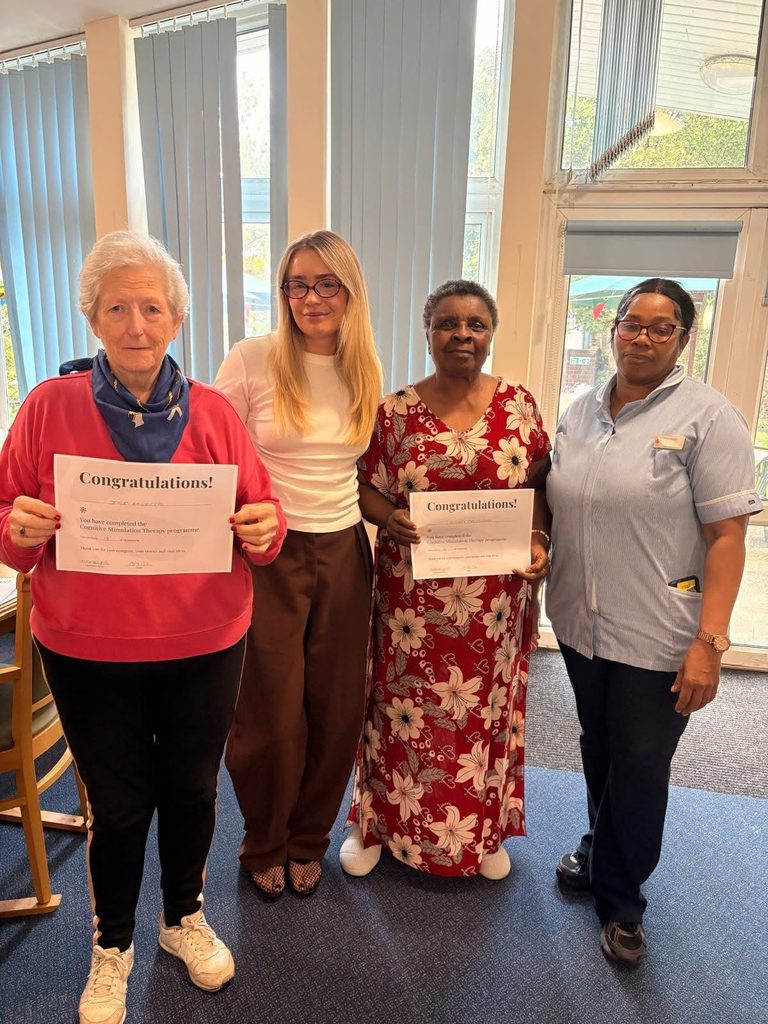
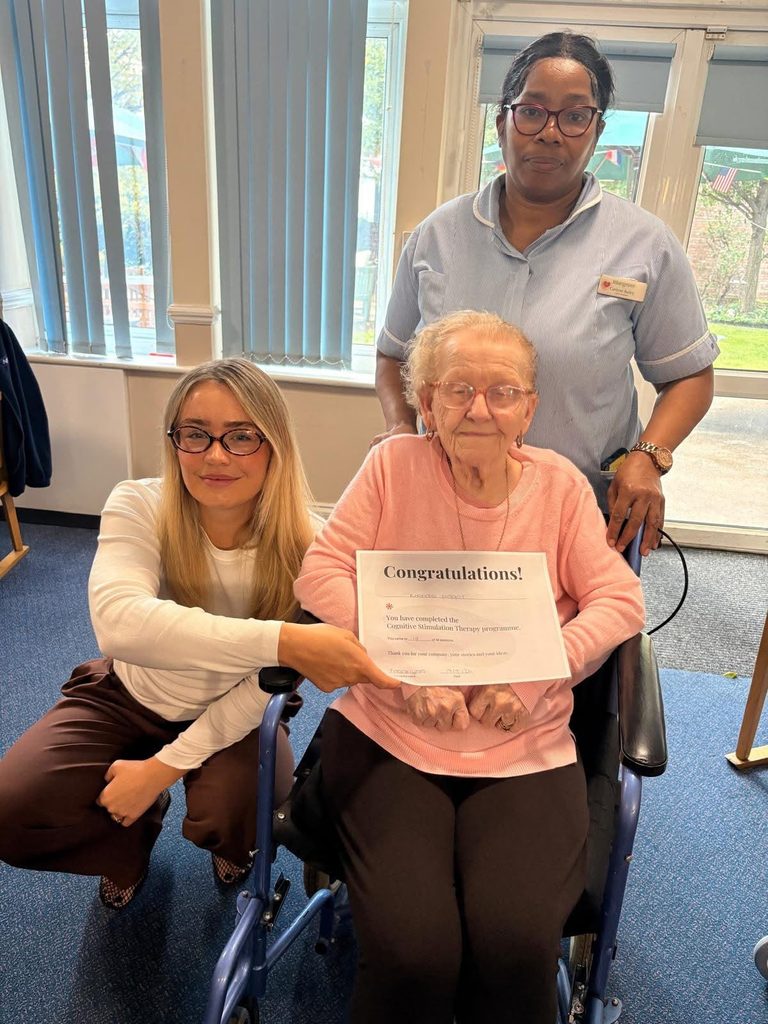
Led by team member Franklyna, six residents took part in the programme, completing 14 group sessions between June and September 2026.
Each session lasted approximately 43 minutes, providing regular opportunities for residents to come together, share memories and enjoy activities in a supportive environment.
Measuring the difference for residents
An impact report produced by Ayla following the programme highlighted improvements across several measures of resident wellbeing. Key findings included:
of participating residents reported noticing a difference in how they felt following the programme.
showed improvements in their overall quality of life and facilitator-rated cognition measures.
was the average rating residents gave the programme.
of residents said they were somewhat or extremely likely to recommend the sessions to others.
residents rated their social life more positively following the programme.
residents improved their overall facilitator-rated cognition scores following the programme.
The findings also highlighted improvements in residents’ reported energy, mood, memory and self-perception.
In particular, average resident-rated memory scores increased from 1.67 to 3.00 on a four-point scale, while mood scores rose from 2.33 to 3.33.
Although the initial programme involved a small group, the results offer valuable insight into the potential benefits of incorporating structured cognitive activities into everyday care.
More than just activities
Beyond the measurable improvements, some of the most encouraging feedback came directly from residents.
Music and singing proved particularly popular, helping residents reconnect with memories and encouraging conversations within the group.
One resident said:
“Tea time and the singing brings back so much memory I loved it.”
Another highlighted the importance of the friendships and connections developed through the sessions:
“It was the sense of community that I loved.”
For another resident, the programme coincided with a positive change in their daily social interactions.
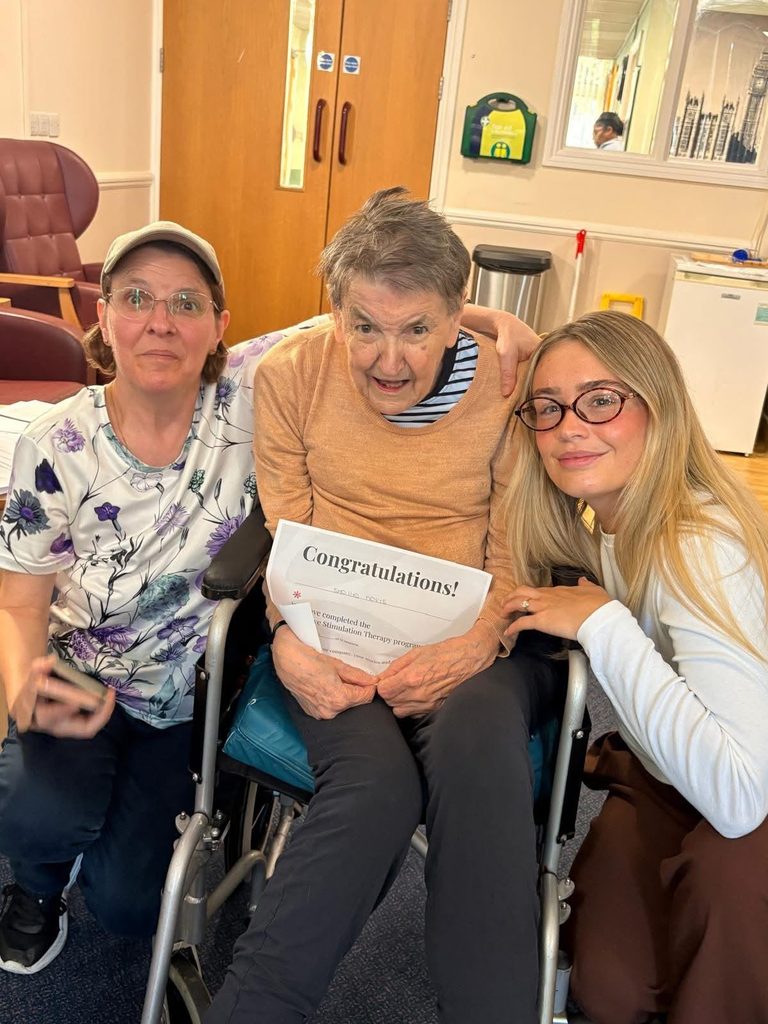
“I find myself sitting and chatting with people in my lounge as I usually just lock myself in my bedroom all day.”
A partnership focused on improving quality of life
The introduction of Ayla at Bluegrove House reflects Agincare’s commitment to exploring innovative approaches that complement the personalised care and support delivered by its teams.
By combining digital technology with the knowledge and experience of care workers, the programme has provided a new way to encourage participation and better understand residents’ experiences.
The partnership has also enabled the home to measure outcomes, gather meaningful feedback and identify opportunities to enhance future activities.
Following the initial programme, recommendations include continuing popular activities such as music, singing and bingo, alongside providing further opportunities for residents to participate in group sessions.
Looking ahead
Following the positive feedback from residents, Bluegrove House will continue to build on the experiences and lessons learned throughout the programme.
The findings have highlighted the importance of meaningful activities, social interaction and creating opportunities for residents to share memories and connect with others.
The care team will use this feedback to help shape future activities, ensuring residents continue to enjoy experiences that reflect their interests, preferences and individual needs.