
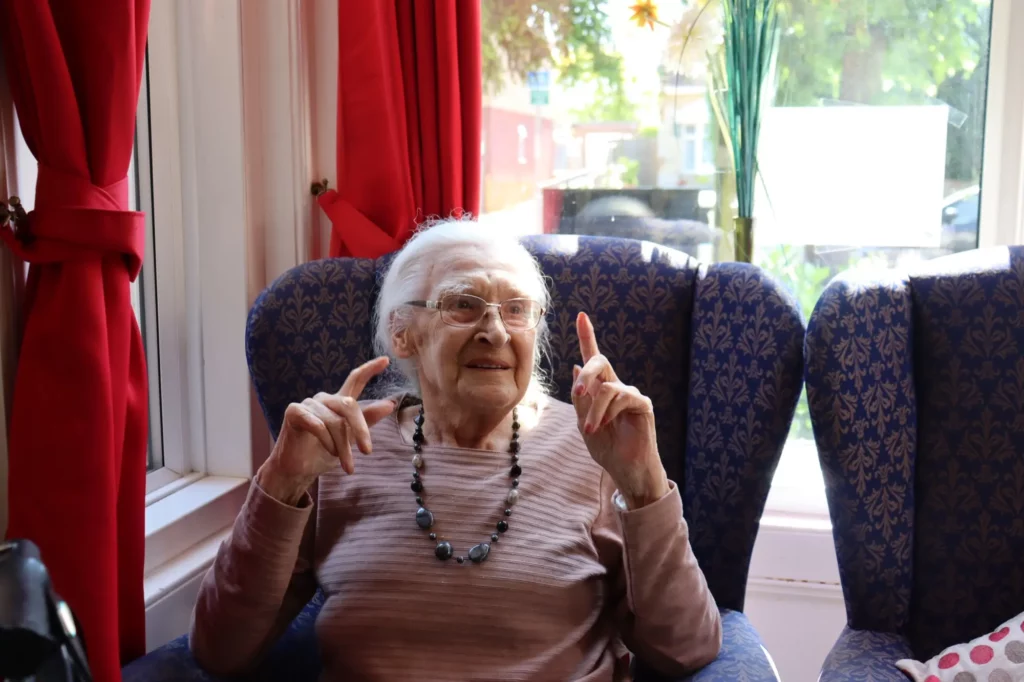
A stroke is a serious medical condition that affects the brain and can impact movement, speech, memory, and daily functioning. It is not an illness or a sign of weakness. It simply means that part of the brain has been damaged due to interrupted blood flow. Every person experiences a stroke differently, with varying effects and recovery needs.

We understand that living with the effects of a stroke, or supporting a loved one who has had a stroke, can bring both challenges and adjustments. Through our specialist stroke care and support services, we provide personalised assistance that focuses on promoting independence, confidence, and well-being.
Our experienced care professionals offer flexible support through live-in care, home care, and our care and nursing homes. We adapt our approach to each person’s individual needs, triggers, and routines to provide reassurance, comfort, and consistency.
If your needs change or become more complex, we are fully equipped to adjust the level and type of support to suit your circumstances, ensuring that you or your loved one continues to live safely, confidently, and with dignity and respect.

What is Stroke care?
Stroke care provides personalised support for people recovering from a stroke, helping them to regain independence, confidence, and quality of life. Because every stroke affects individuals differently, the level and type of support is tailored to each person’s abilities, recovery needs, and preferences.
Our stroke care services are designed to promote rehabilitation, safety, and well-being. Depending on your needs, care may include 24-hour live-in support for ongoing assistance, regular home care visits for daily support, or tailored care within one of our care and nursing homes.
From personal care and mobility support to rehabilitation assistance, emotional reassurance, and companionship, we adapt our approach to ensure comfort, dignity, and consistency at every stage of recovery.
Our stroke care services
Our stroke care services are designed to provide the best care for people recovering from a stroke, built entirely around each person’s unique needs, abilities, and goals. We create personalised care plans that focus on rehabilitation, independence, and quality of life, ensuring you or your loved one receives the right level of support at every stage of recovery.

Specialist stroke care
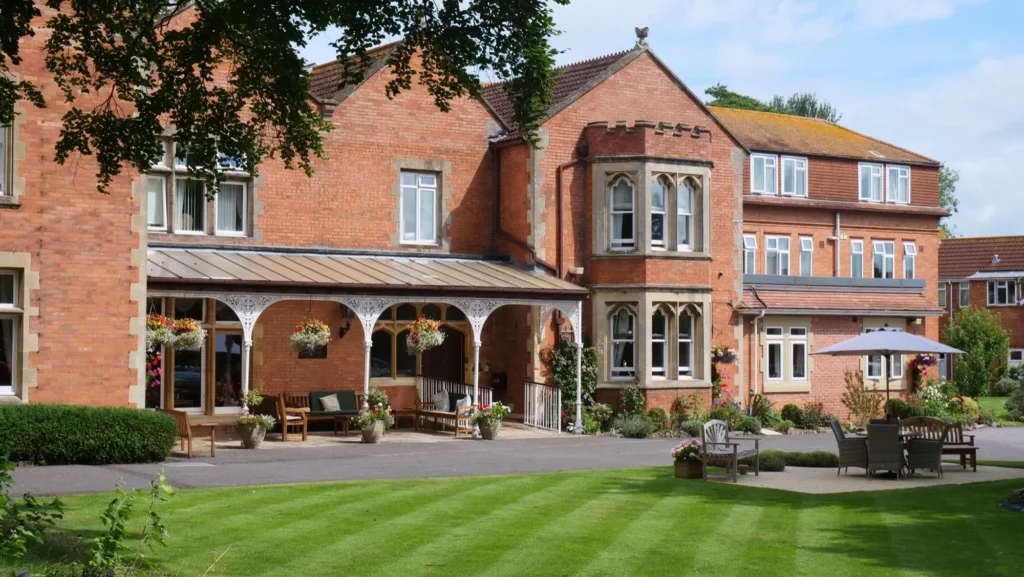
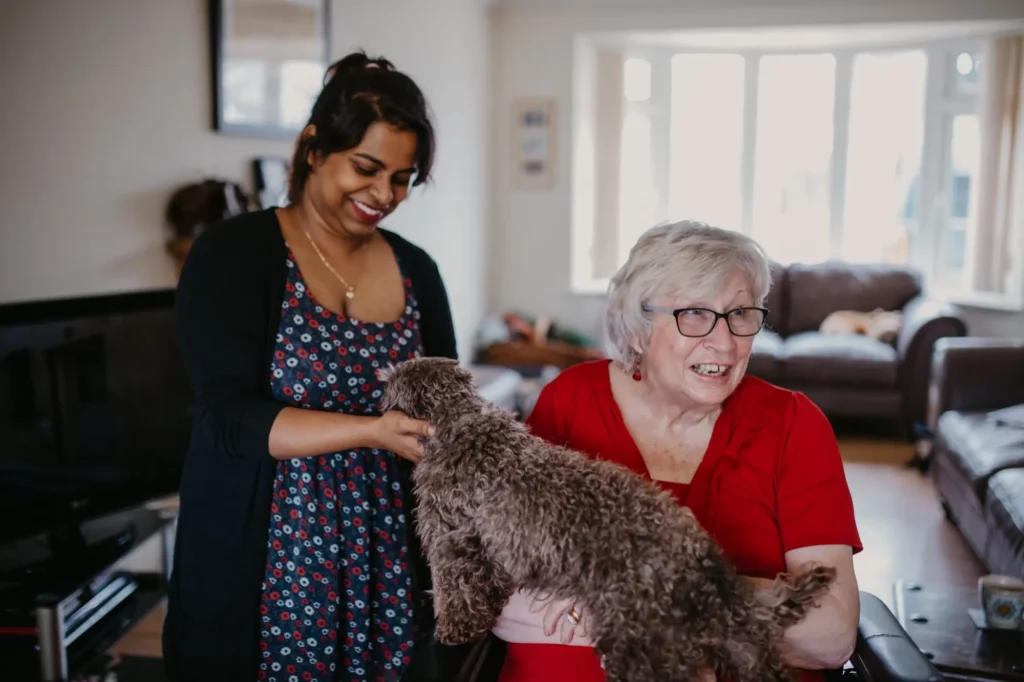
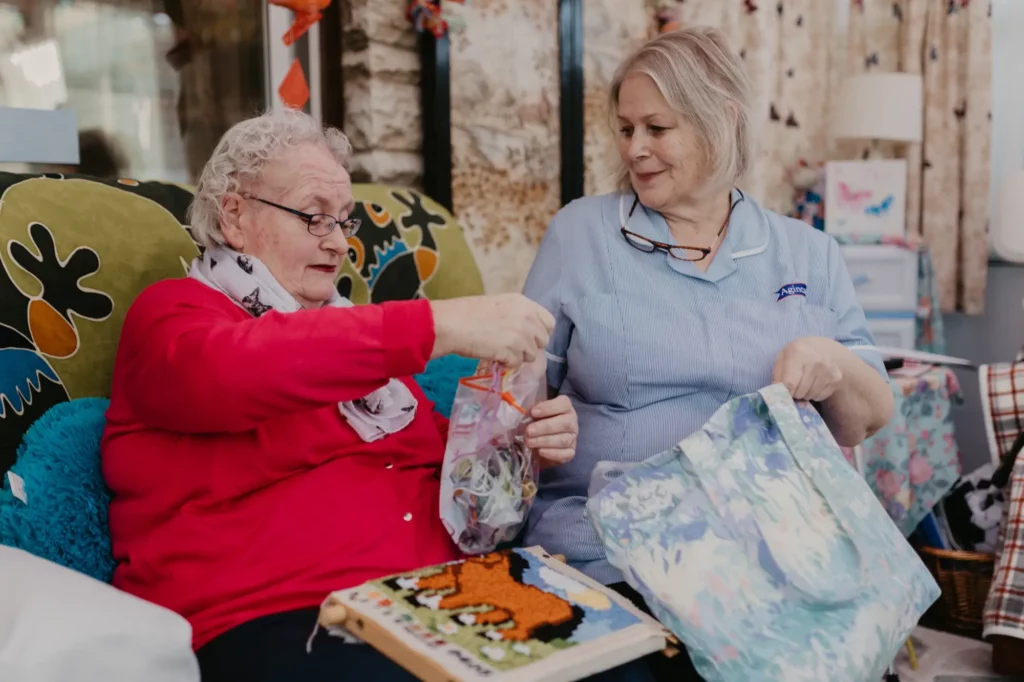
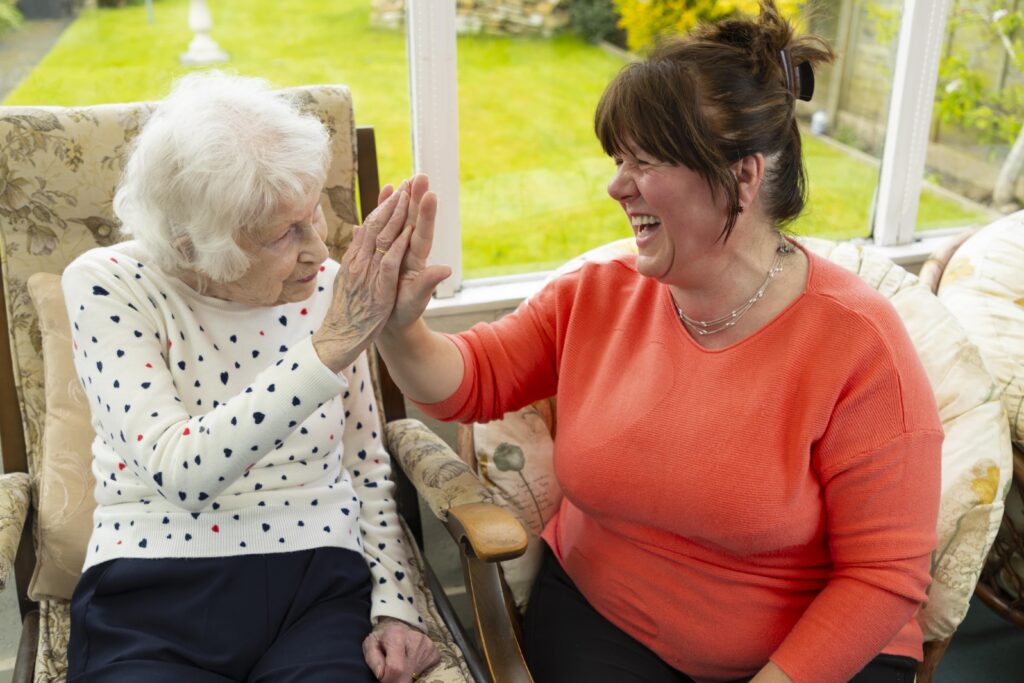
Our specialist stroke care supports people with a wide range of needs, including those recovering from a recent stroke, living with long-term effects, co-occurring neurological conditions, or additional health challenges. Every care plan is tailored to the individual’s medical, rehabilitation, and emotional needs to ensure the best outcomes, independence, and quality of life. We offer after stroke care both at home and in our care homes. We can also provide emergency respite care for stroke patients to help prevent stroke carer burn-out.
Local Authority and NHS Partnerships
Agincare works closely with local authorities and the NHS to help people access the right level of support for stroke recovery and related needs. We partner with over 60 local authorities and NHS trusts across England, providing fully managed, tailored care packages. These partnerships ensure continuity of care, allowing individuals to access expert support in the community and benefit from a structured, supportive environment with the right interventions and ongoing assistance.
Nursing care for stroke patients
We provide expert nursing care as part of our specialist stroke services, supporting clients with complex medical, personal, and rehabilitation needs. Our team delivers personalised care including health monitoring, medication management, support with daily living, and assistance with physical, cognitive, or emotional challenges, helping clients to live safely, comfortably, and as independently as possible.
Meet Cher – Our Clinical Lead
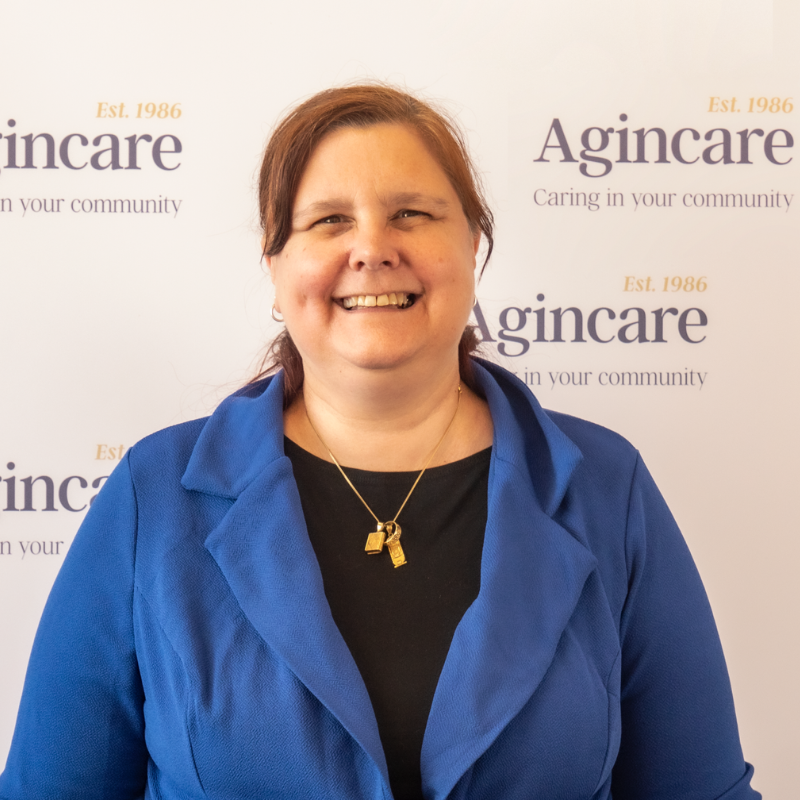
Cher has enjoyed a long and varied career in health and social care across Europe and the UK. A registered nurse, she set up her own domiciliary care service in Monaco, later expanding it into France, supporting people with complex care needs. Before joining Agincare in April 2023, Cher worked for the DWP in disability analysis and as a Mental Function Champion. Cher oversees the clinical aspects of our live-in care service, including quality assurance, technical competency, and training.

Registered Nurse Care and Nursing Associates
Our specialist stroke care services are supported by highly trained registered nurses and nursing associates, providing expert care for individuals with complex needs.
Registered nurses deliver personalised clinical care, including support with post-stroke health conditions, rehabilitation exercises, medication management, and coordination with other healthcare professionals. They ensure that each person’s medical and well-being needs are met safely and effectively, supporting recovery, independence, and quality of life.
Nursing associates work alongside registered nurses to provide day-to-day support, help with personal care and daily living activities, and assist in implementing personalised care plans. Their role bridges clinical care and hands-on support, helping individuals maintain dignity, comfort, and consistency. Our stroke carers offer personalised care in the stroke patient’s own home or in our care homes.
Together, our nursing teams provide a seamless approach to stroke care, ensuring that both medical and personal needs are met with professionalism, compassion, and expertise.

Costs of stroke care
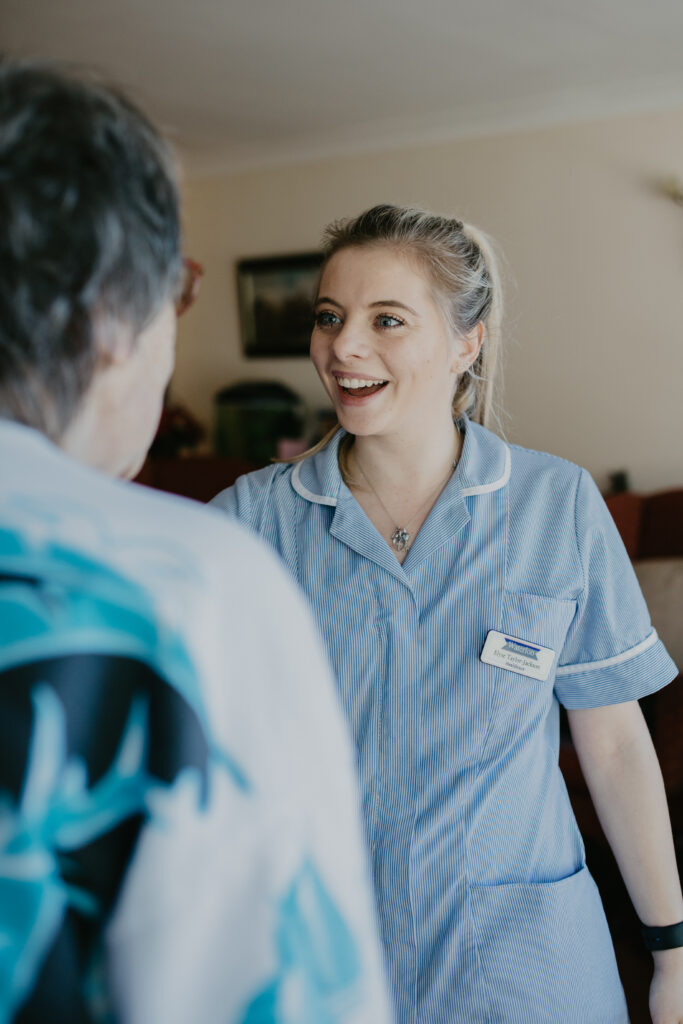
The cost of stroke care varies depending on the type of service, level of support, and complexity of individual needs. Understanding stroke support costs can help you plan and choose the right care for yourself or your loved one.
Our live-in care for stroke recovery starts from £1,135 per week, with transparent pricing and tailored quotes based on individual needs. Our experienced care advisors can guide you on paying for stroke care and help you explore funding options to ensure the right support is in place.
Already receiving stroke care and support? You could be paying more than you need to. Find out quickly with our Cost Savings Calculator, a simple tool that helps you compare your current care costs and see how much you could save with Agincare.

CQC information
When you are looking for information, be sure to visit the Care Quality Commission’s website. The CQC monitors and inspects care services and publish what they find to help you find the best care.
Funding
At Agincare, we work closely with individuals, local authorities, case managers and solicitors to ensure you receive the right funding and support for your needs. Our experienced team can guide you through available options, including local authority funding, NHS continuing healthcare and privately funded care, helping you make informed decisions with confidence and transparency.
Why Choose Agincare’s stroke carers?
Our stroke care services are trusted by thousands of families, local authorities across the country, and the NHS to deliver reliable, high-quality support. We provide personalised, fully managed care that focuses on rehabilitation, independence, and wellbeing, helping individuals recover safely and confidently. Our bespoke, fully-managed service is regulated by the CQC and rated ‘Good’.

One of the largest independent care providers in England, with decades of specialist care experience
Family-owned care provider established in 1986

Rated excellent on Trustpilot
Fully managed care provider

24/7 updates on your package of care via our app
Fully trained live-in care workers directly employed by us

Immediate and emergency starts available
Tailored support for varying levels of need, including specialist nurse-led care for complex conditions
Dedicated care supervisor to oversee your care
No lengthy contracts or exit fees – flexible, transparent support

Offer a range of services including live-in care, home care and care homes

All of our care workers are English-speaking and enhanced DBS checked
Reviews of our services

How to stroke arrange care
Getting started with stroke care is simple and obligation‑free. Our step‑by‑step process makes arranging support straightforward and stress‑free:
Our expert team is here to guide you through every step with compassion and clarity, and there is no obligation to proceed.

Stroke care FAQs
All of our care and support workers complete the nationally recognised Care Certificate, which include the basic principles of stroke care. Specific client needs-led training is taught by internal and external trainers and/or healthcare professionals.
In addition to this, we have an internal Stroke Care training programme in place which includes the following topics:
• Understanding the cause of a stroke and the range of effects
• Cognition and active communication
• Exercise, diet and risk management
• Enablement and after care.
Our training department works closely with our Group Quality Manager, as well as local and national organisations, to continually appraise and enhance our training portfolio.
There are four main types of stroke:
Ischaemic stroke – this happens when a clot blocks an artery that carries blood to the brain.
Haemorrhagic stroke – is a rupture of a blood vessel in the brain.
Subarachnoid haemorrhage – is bleeding into the space around the brain (the subarachnoid space), usually due to a burst aneurysm (a weakness of the blood vessel wall).
TIA (transient ischaemic attack) – is a mini-stroke; the effects usually pass quickly but a TIA must be taken seriously as it can be a warning sign.
The effect of a stroke on a person depends on which part of the brain has been affected and how much damage has been caused.
Suffering a stroke is a medical emergency and by calling 999 you can help someone reach hospital quickly and receive the early treatment they need.
Face – Ask them to smile, does their face look uneven?
Arms – Ask them to raise both arms, does one arm drift down?
Speech – Ask them to repeat a phrase, does their speech sound strange?
Time – it’s time to dial 999 immediately if you see any of these signs or symptoms.
Although the serious injury to the brain caused by a stroke can lead to widespread and long-lasting problems, many people have been recovered to some extent through a combination of reablement treatment, physical and speech therapy and long-term support.
The Stroke Association is the leading charity in the UK changing the world for people affected by stroke.
More people than ever are benefiting from cutting-edge treatments and making full recoveries. And more people now understand the need to seek emergency treatment for stroke. The Stroke Association has been at the heart of every one of these developments, championing the cause of stroke and stroke survivors.