
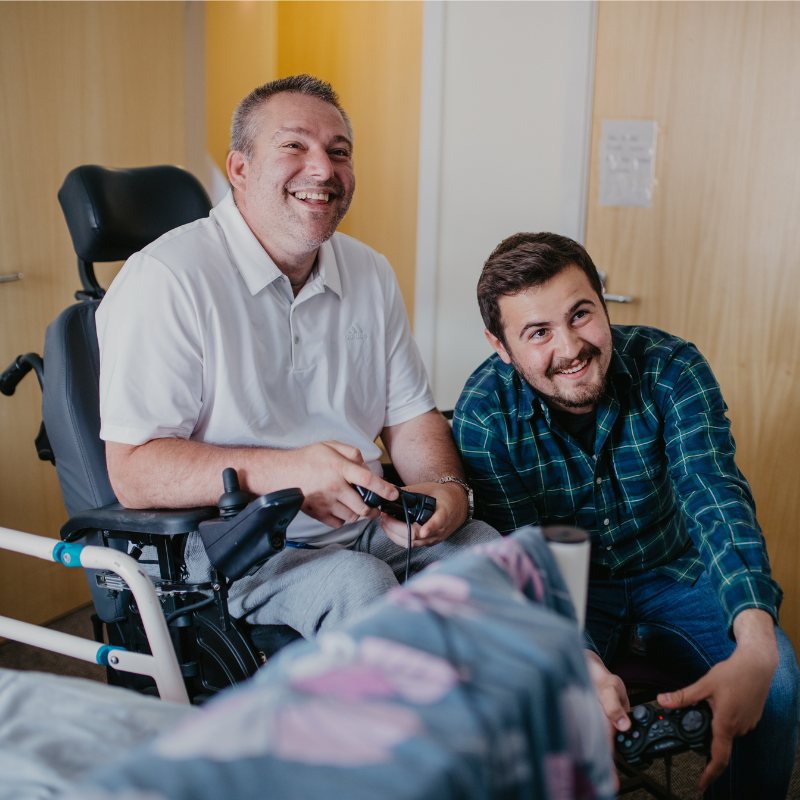
Cerebral palsy is not an illness or disease. It is a lifelong condition that affects movement, muscle control, and coordination, caused by an injury to the developing brain before, during, or shortly after birth. The effects of cerebral palsy vary from person to person.

We understand that living with cerebral palsy, or supporting a loved one who has the condition, can bring both rewards and challenges. Through our specialist cerebral palsy care and support services, we provide personalised assistance that focuses on promoting independence, confidence, and well being.
Our experienced care professionals offer flexible support through live-in care, home care, and our care and nursing homes. We adapt our approach to each person’s individual communication style, routines, and preferences to ensure comfort, understanding, and consistency.
If your needs change or become more complex, we are fully equipped to adjust the level and type of support to suit your circumstances, ensuring that you or your loved one continues to live safely and meaningfully with dignity and respect.

What is Cerebral Palsy care?
Cerebral palsy care provides personalised support for people living with cerebral palsy, helping them manage challenges with movement, coordination, and daily living. Because every individual with cerebral palsy is unique, the level and type of support required is tailored to each person’s needs and preferences.
Our cerebral palsy support services are designed to help individuals develop independence, confidence, mobility, and quality of life. Depending on your needs, care may include 24-hour live-in support for ongoing assistance, regular home care visits for daily support, or tailored care within one of our care and nursing homes.
From personal care and mobility assistance to emotional support and companionship, we adapt our approach to ensure comfort, dignity, and consistency at every stage of life.

Our Cerebral Palsy support services
Our cerebral palsy support services are designed to provide the best care for people living with cerebral palsy, built entirely around each person’s unique needs, preferences, and goals. We create personalised care plans that focus on mobility, independence, and quality of life, ensuring you or your loved one receives the right level of support at every stage of life.



Specialist Cerebral Palsy care
Our specialist cerebral palsy care supports people with a wide range of needs, including those with mobility challenges, coordination difficulties, communication differences, learning disabilities, and co-occurring conditions such as epilepsy, sensory sensitivities, or respiratory issues. Every care plan is tailored to the individual’s physical, communication, sensory, and emotional needs to ensure the best outcomes, independence, and quality of life.
Local Authority and NHS Partnerships
Agincare works closely with local authorities and the NHS to help people access the right level of support for cerebral palsy and related needs. We partner with over 60 local authorities and NHS trusts across England, providing fully managed, tailored care packages. These partnerships ensure continuity of care, allowing individuals to access expert support in the community and benefit from a structured, supportive environment with the right interventions and ongoing assistance.
Nursing Care
We provide expert nursing care as part of our specialist cerebral palsy services, supporting clients with complex medical, personal, and physical needs. Our team delivers personalised care including health monitoring, medication support, assistance with mobility and daily living, and help with communication or sensory challenges, enabling clients to live safely, comfortably, and as independently as possible.
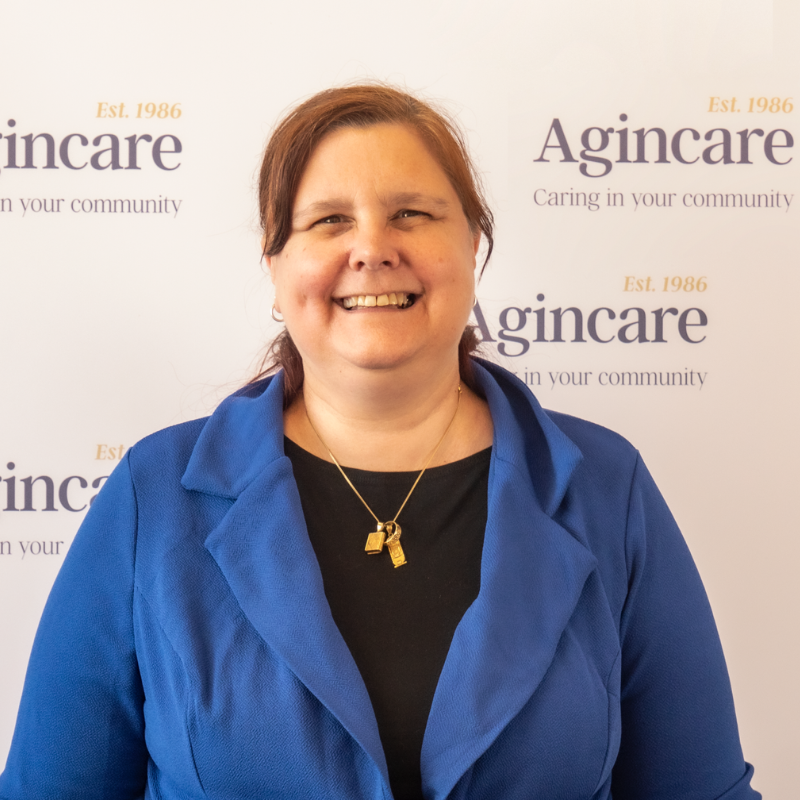
Meet Cher – Our Clinical Lead
Cher has enjoyed a long and varied career in health and social care across Europe and the UK. A registered nurse, she set up her own domiciliary care service in Monaco, later expanding it into France, supporting people with complex care needs. Before joining Agincare in April 2023, Cher worked for the DWP in disability analysis and as a Mental Function Champion. Cher oversees the clinical aspects of our live-in care service, including quality assurance, technical competency, and training.

Case Study: Emily’s Story
Personalised support can make a real difference for people living with cerebral palsy. Watch this video to see how Emily’s care has helped her and her family gain independence, confidence, and quality of life.

Costs of Cerebral Palsy care
The cost of cerebral palsy care varies depending on the type of service, level of support, and complexity of individual needs. Understanding cerebral palsy support costs can help you plan and choose the right care for yourself or your loved one.
Our live‑in care for cerebral palsy starts from £1,135 per week, with transparent pricing and tailored quotes based on individual needs. Our experienced care advisors can guide you on paying for cerebral palsy care and help you explore funding options to ensure the right support is in place.
Already receiving cerebral palsy care and support? You could be paying more than you need to. Find out quickly with our Cost Savings Calculator, a simple tool that helps you compare your current care costs and see how much you could save with Agincare.

CQC information
When you are looking for information, be sure to visit the Care Quality Commission’s website. The CQC monitors and inspects care services and publish what they find to help you find the best care.
Funding
At Agincare, we work closely with individuals, local authorities, case managers and solicitors to ensure you receive the right funding and support for your needs. Our experienced team can guide you through available options, including local authority funding, NHS continuing healthcare and privately funded care, helping you make informed decisions with confidence and transparency.
Why choose Agincare’s Cerebral Palsy services?
Our cerebral palsy services are trusted by thousands of families, local authorities across the country, and the NHS to deliver reliable, high-quality care. Our bespoke, fully-managed service is regulated by the CQC and rated ‘Good’.

One of the largest independent care providers in England, with decades of specialist care experience

Family-owned care provider established in 1986

Rated excellent on Trustpilot

Fully managed care provider

24/7 updates on your package of care via our app

Fully trained live-in care workers directly employed by us

Immediate and emergency starts available

Tailored support for varying levels of need, including specialist nurse-led care for complex conditions

Dedicated care supervisor to oversee your care

No lengthy contracts or exit fees – flexible, transparent support
Offer a range of services including live-in care, home care and care homes

All of our care workers are English-speaking and enhanced DBS checked
Reviews of our services

How to arrange care
Getting started with cerebral palsy care is simple and obligation‑free. Our step‑by‑step process makes arranging care straightforward and stress‑free:
Our expert team is here to guide you through every step with compassion and clarity, and there is no obligation to proceed.

Frequently asked questions
Cerebral palsy is the name for a group of lifelong conditions that affect movement and co-ordination, caused by a problem with the brain that occurs before, during or soon after birth.
There are different types of cerebral palsy affecting the muscles including stiffness, spasms, uncontrolled movements, balance problems and coordination issues.
There are four main types of cerebral palsy: Different types affect the brain in different ways leading to a variety of moving disorders. Many people will have a mixture of these.
Spastic cerebral Palsy
Dyskenetic (also known as athetoidc) cerebral palsy
Ataxic cerebral palsy
Mixed cerebral palsy
Spastic cerebral palsy is the most common form of cerebral palsy. Symptoms include stiff or weak muscles and exaggerated reflexes. This often leads to difficulties with moving and walking. It can affect different areas of the body.
Dyskenetic cerebral palsy causes involuntary muscle contractions in hands, arms, legs and sometimes the face. This often makes it difficult to walk, stand still, sit or talk.
Ataxic cerebral palsy affects balance, spatial awareness and co-ordination. People living with ataxic cerebral palsy may have difficulty balancing, walking, speaking and grasping and holding objects.
Some people have a mixture of the symptoms above and this is known as mixed cerebral palsy.
No, cerebral palsy affects everyone differently. With so many different causes, it is no surprise that it takes many forms. Every person with cerebral palsy has a unique individual experience of the condition, but is likely to be classified as having a particular type. Classification can be according to the type of movement disorder and/or by the number of limbs affected.
There is no cure for CP, but treatment can improve the lives of those who have the condition. It is important to begin a treatment program as early as possible.
Cerebral palsy itself is not progressive; the injury to the brain does not change. The effects may change over time for better or worse. We tailor each person’s care plan to be specific to their needs. Depending on the person, care can include 24-hour live-in support for ongoing assistance, regular home care visits for daily support, or tailored care within one of our care and nursing homes.