
Home care services in the UK
Thinking about home care? Our care workers provide personalised support at home that brings regular routine and peace of mind
Our UK-based care experts are here to listen, answer your questions, and guide you through the option that suits you best. No sales pitch. No call centre. Just instant access to an expert.
90% of people who call us about home care say an initial phone call with us saved them time and stress.
What is home care?
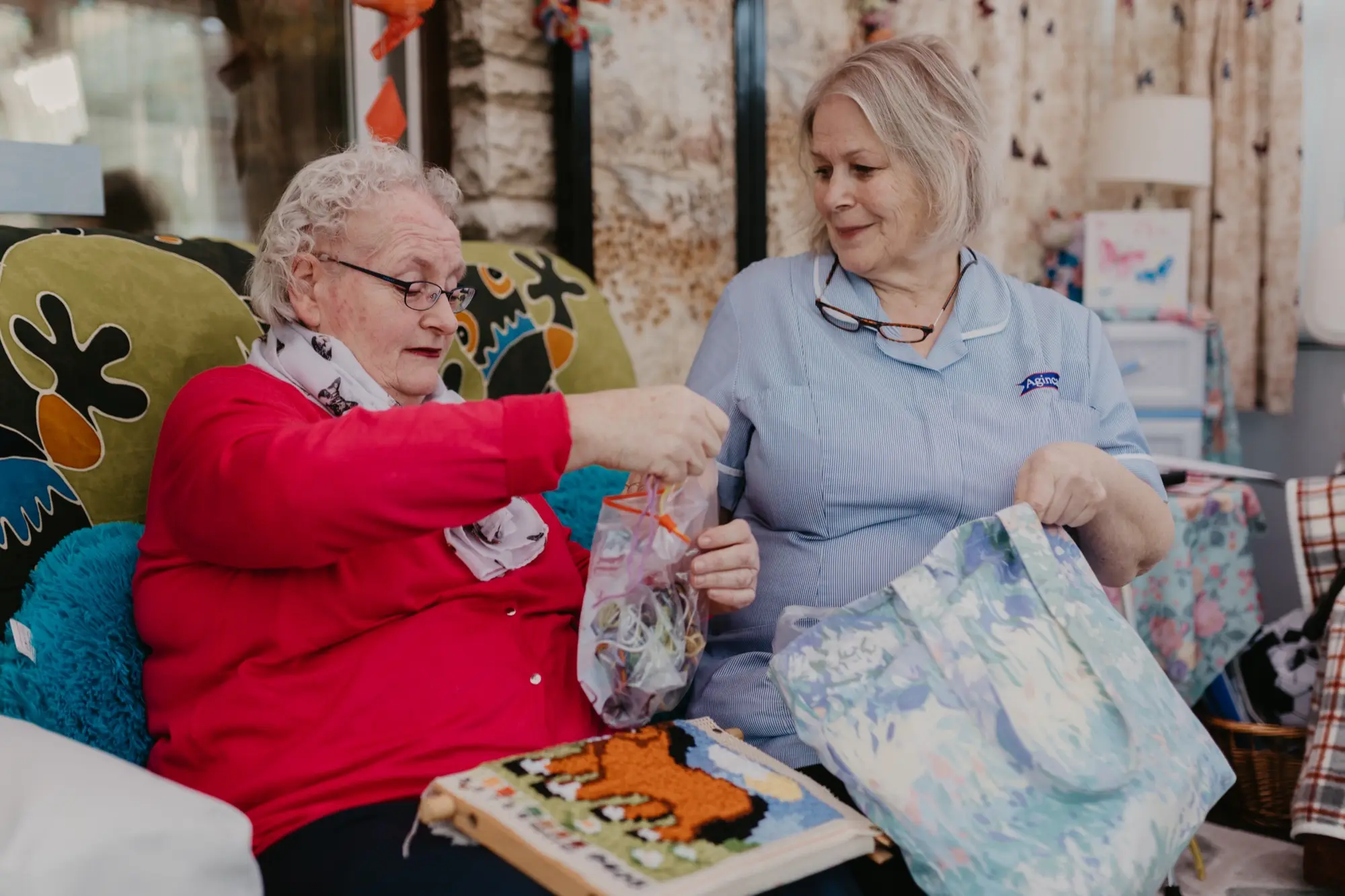
If you are living at home but need some support, our flexible home care visits are the ideal solution. From immediate, personalised care to long-term support planning, our fully managed home care service makes arranging care simple and stress-free.


Home care services (also known as domiciliary care services) give you reliable support and care at home, rather than in a care home. Whether it’s personal care, help with household tasks, or getting out and about, our highly trained home caregivers can bring tailored support to you.
Our fully managed home care service takes care of everything from the moment you enquire. That includes putting together a tailored care plan and ensuring you always receive the home help you need; even if your usual care worker is on holiday or ill.

What do home carers do?
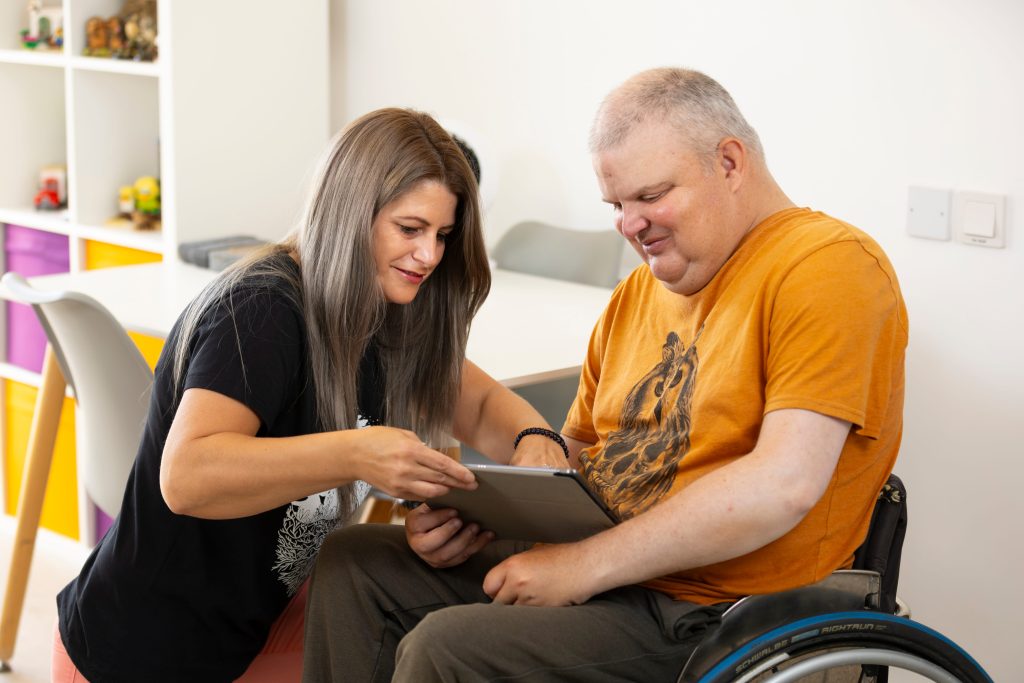
Home carers provide flexible support to help older people and adults with complex needs live safely and comfortably in their own home, with help shaped around individual needs, routines and preferences.
A home care worker may help with personal care and hygiene, including washing, dressing and toileting, always delivered with dignity and respect. They can also support food planning and preparation, from organising meals to cooking, and assist with light household tasks such as laundry, tidying and keeping key areas safe and accessible. Another important part of the role is building a steady routine, particularly after illness, a hospital stay or a change in mobility.
Home carers can provide mobility assistance, helping someone move safely around their home or feel more confident when going out. Where needed, they communicate with family members and, with consent, a wider medical team. Support can be tailored to specific conditions, including memory loss support and medication prompting. Companionship is central too, helping reduce loneliness, build confidence and support wellbeing.

Different types of home care services available
Agincare offers a range of home care services to support different needs and routines. If you are unsure which option is right, or you need something more specialist, contact our care team and we will talk through what support is needed.


24 Hour Home Care
24 hour home care provides continuous support at home, with help available throughout the day and night. It is designed for people who need regular assistance, supervision or reassurance, offering a safe alternative to residential care while keeping routines, comfort and independence at the centre.
- Personal care and continence support across the day and night
- Mobility assistance, transfers and falls risk management
- Meal preparation, hydration support and daily living routines
- Medication prompting and support in line with the care plan
- Night time reassurance and response to changing needs
- Consistent support that adapts as needs change
Speak to our care team today.

Benefits of home care services
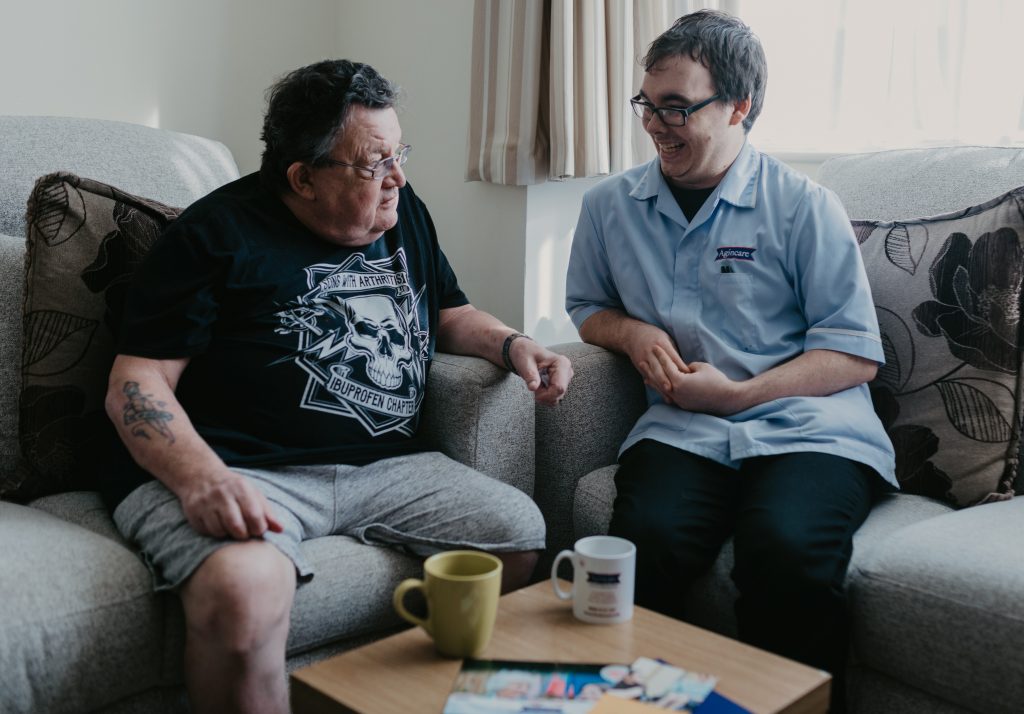
Home care is a flexible option that helps you stay independent in your own home, with visits arranged as frequently or as infrequently as you need. Support can be provided first thing in the morning, during the day, in the evening or overnight, and it can increase or reduce as your circumstances change.
Choosing care at home means you can remain in familiar surroundings, keep your routines, and stay close to the people and community that matter to you. It can also feel more personal, because support is one to one and shaped around your preferences. For many people, home care is a practical alternative to residential care, offering reassurance and safety while protecting independence and choice. With the right support in place, home care can help you maintain confidence, manage daily tasks and continue living life on your terms.
Here’s how home care could benefit you:














How to get help at home
Help at home is easy to arrange and can start immediately, or at a time that suits you. Our expert care advisors will guide you through the set up process; booking your free care assessment, helping you arrange funding, and finding a private home care worker that suits you.

Why choose Agincare for home care?
Our home care service is trusted by thousands of families, local authorities nationwide and the NHS to deliver reliable, high-quality care to the elderly and adults with complex needs in their own homes. Our bespoke, fully-managed service is regulated by the CQC.
Unlike an introductory home care agency, which matches you with a self-employed carer, leaving you to manage the ongoing care requirements, Agincare is a fully managed home care provider. This means every home carer is directly employed, trained and supervised by us.

One of the largest independent care providers in England

Rated Excellent on Trustpilot

Person centred care plan and risk assessment provided

24/7 updates on your package of care via our app
Fully trained home care workers directly employed by us

Ongoing support from a local Care Coordinator

Tailored support for varying levels of need, including palliative care

Local presence means you can talk to a real person in branch

No lengthy contracts or exit fees

When should you consider help at home from a private carer?
It is not always easy to know when to seek support, but help at home from a private carer can be a positive step that protects independence, safety and wellbeing. Many people start with a small amount of support and increase it only if needs change.
You may want to consider home care if any of the following are happening:
- Washing, dressing or using the bathroom has become difficult
- Cooking safely is harder, meals are being skipped, or nutrition is slipping
- Mobility has reduced, getting around the home feels unsafe, or stairs are a concern
- There has been a recent fall or near miss
- Household tasks such as cleaning, laundry or shopping feel unmanageable
- Socialising or attending appointments feels overwhelming
- Memory problems, confusion, stress or changes in behaviour are increasing
- Managing health conditions or medication routines is becoming difficult
- Extra support is needed after a hospital stay or during recovery
- Feelings of isolation, anxiety or low confidence are affecting daily life
- Night time routines are unsafe or inconsistent
- A family carer is feeling exhausted or close to burn out
- Loved ones are worried about safety, comfort or coping at home
How much does home care cost?
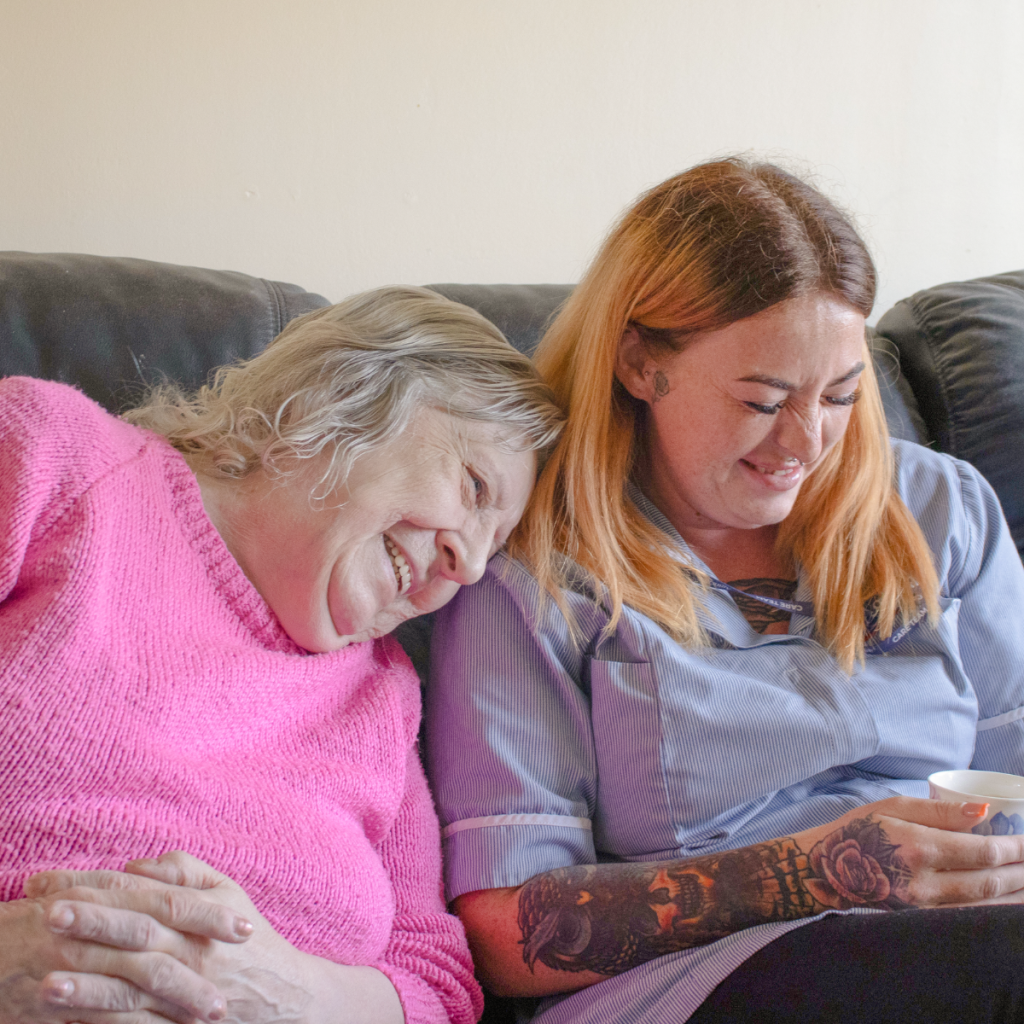
Home care costs vary depending on the level of support you need, where you live, and how often visits are required. As a guide, private home care can start from £34.20 per hour, with costs increasing for more complex needs, longer visits, or specialist support.
For many people, home care can compare favourably to other options because you only pay for the time you need. Residential care is often priced as a weekly fee and typically costs more overall, especially where nursing support is required. Live-in care is another alternative and is commonly priced weekly, with the total depending on the level of support, cover arrangements and clinical needs.
The value of home care is in the one to one support, continuity, and the ability to stay independent in familiar surroundings, while adjusting visits as needs change.
To get a clearer estimate, use our care cost savings calculator.
Reviews of our home care services

Download our Home Care Brochure
Enter your email address to have our home care brochure delivered directly to your inbox.

FAQs about care services at home
Agincare is a fully managed service. That means we take care of everything. We employ our care workers, make sure they have the right training, and provide you, and your care worker, additional support from a local care coordination team.
From the moment you enquire you will be supported by an expert care advisor who will book in your free, no obligation care assessment. This will allow us to get to know you and put together a bespoke care plan based around your needs and preferences.
When your home care begins, we are responsible for making sure you are always supported. If your usual care worker is ill or on holiday, we will find someone to replace them. You will also receive regular check ins from your Care Coordinator and access to a 24-hour emergency call line.
Our home care services are highly adaptable to suit your needs. We can provide visits any time of the day, waking nights, sleep in nights, multiple care workers, live-in care and reablement.
All of our care workers are trained to support you in a variety of ways. This could include: personal care, housework and meal preparation, medication management, laundry, shopping, and companionship.
Our services can provide bespoke visits as frequently or as infrequently as you need. Whether you require support preparing meals three times a day or occasional help getting out and about, our expert care workers can be there for you.
Each care plan is tailored to the individual. Contact one of our care advisors today to start building yours.
With home care, you only pay for care you receive. For the average person requiring 2 visits, 5 times a week, that’s as little as £200 per week for tailored, fully managed support.
This is much cheaper than other care alternatives such as a care home which costs around £950 per week on average and may lack the immediate flexibility you require with your changing circumstances.
Home care is the cheapest way to continue living in your own home too, but to a certain point. Depending on the volume of visits you may need, there is a tipping point whereby other services may become more suitable or cost effective if financial considerations are required. Live-in care, which sees a care worker come and live in your home to provide 24-hour care, starts at £920 per week and can increase to as much as £1630 based on the conditions involved.
All of our care teams receive bespoke training from our in-house training partner, Training Now. They are rated Good by Ofsted and endorsed by Skills for Care.
As a fully managed service, we employ and train our care workers, ensuring there is always professional support there for you when you need it. Not only do they receive mandatory care worker training, but also have access to a wide range of additional courses and apprenticeship opportunities.
All of our care workers also receive specialist training in dementia, palliative care, end-of-life, complex needs and more. Training is routinely updated to ensure service continuity.
Ensuring continuity of care for you is extremely important to us. That’s why your local care coordinator will work hard to ensure your care visits are allocated to an individual or small team of care workers; meaning they can get to know you.
Arranging home care starts with a free, no obligation care assessment. Call our team of expert care advisors to get started. They will ask a series of questions to help them better understand your needs and preferences as well as to book in your assessment.
From there, your local care team will put in place a care plan tailored to you and assign a care worker who is able to provide the exact level of support you need. When your home care begins, you will meet your designated Care Coordinator who will always be there to support you and ensure you are receiving exactly the care you need.
As your circumstances change, your care can change too. Whether that’s more visits, a move to 24-hour care at home from our live-in care team, or moving into one of our care homes, our expert team will guide you towards the best support for you.
A home carer can support with personal care, meals, mobility, household tasks, medication prompting and companionship, helping you stay safe and independent at home.
We offer home care visits, personal care, companionship, support with daily routines, mobility support and condition led help, with care shaped around individual needs. This can be in the form of short daily visits for an elderly relative or more intensive ongoing support.
Home care supports you in your own home, keeping routines and independence, while care homes provide support in a residential setting with 24 hour care.
Visits can be arranged as often as you need, from occasional support to multiple visits per day, and can be adjusted as needs change.
Yes. We can provide overnight support and 24/7 live-in care, depending on your needs and personal preferences.
We arrange cover so support continues safely, and we aim to use carers who know your care plan and routines.
Start times depend on your needs and local availability, but we can often begin support quickly, including for urgent situations such as hospital discharge.
Yes. Home care can be short term to support recovery, or longer term if you need ongoing support.
Yes. Your care plan is regularly reviewed and can be increased or reduced as your care needs change.
Yes, you can try home care through Agincare’s Smart Start offering. This is a short-term care at home trial for 2 to 4 weeks, so you can see what daily support looks like before agreeing to anything long-term. It can be delivered through visiting or live-in support depending on what’s needed, with no obligation to continue.
Find out more about Smart Start.
Agincare is a fully managed home care provider rather than an home care agency. Home care agencies typically match you with a self-employed carer and you will be left to manage the ongoing care arrangement. As a fully managed home care provider, at Agincare we directly employ and train your carer, create a tailored care plan and arrange cover if your regular carer is unavailable.
You may also be interested in..
Healthchecks

Exclusive Health Benefit for Agincare Families Arrange care with Agincare and unlock access to an exclusive 15% saving on a private health assessment.
Care Cost Savings Calculator

Calculate your live-in care costs using our free and easy to use care calculator. Receive a tailored quote based on your needs and preferences.
What type of care do I need?
Discover the right care option with our easy online care tool. Book a free assessment with expert care advisors to explore your personalised care needs.
Page reviewed by Cher Goodyer-El Meheiry, Clinical Lead, on March 5, 2026.